
ISSUE 14
The Hania Rani Movement: A New Chapter in Modern Composition
Our Composer of the Year discusses her first piano concerto, five years in the making.
"Could you wait a few minutes? Maybe I'll move to a café nearby." When Hania Rani reappears, she's outside somewhere in the depths of East London, settled at a table under a wooden shelter at a well-loved coffee spot with the locals. A November grey morning, thoroughly British, the kind of weather that feels appropriate for discussing a piano concerto about historical trauma. She’s in the middle of her press run, and she's also finishing a new piece for 12 musicians that will open her Barbican concerts in two weeks. "It's very last-minute but also exciting," she says, laughing. "Very tight timing because it's so close and I really need to deliver it for editing!"
This is how many creatives go through their process, composing up to the wire, refining obsessively, and, in Rani’s case, it takes years if necessary to get something right. Non Fiction, her first piano concerto, premiered once already back in 2023, but as she shared with me, it was something she wasn't happy with. The project arrived at a place that wasn't quite what she'd heard in her head, so she started again. Reorchestrating the entire piece with conductor and arranger Hugh Tieppo-Brunt, shifting the weight from brass to woodwinds, strings and harp, adding saxophonist Jack Wyllie and percussionist Valentina Magaletti. She composed a new third movement, found different players through Rakhi Singh and Manchester Collective, musicians who wouldn't treat her like an outsider but collaborate alongside her to understand what she was hoping to achieve. The piece that debuted at the Barbican on November 25 and 26 to full crowds was unrecognisable from the one that premiered two years before.
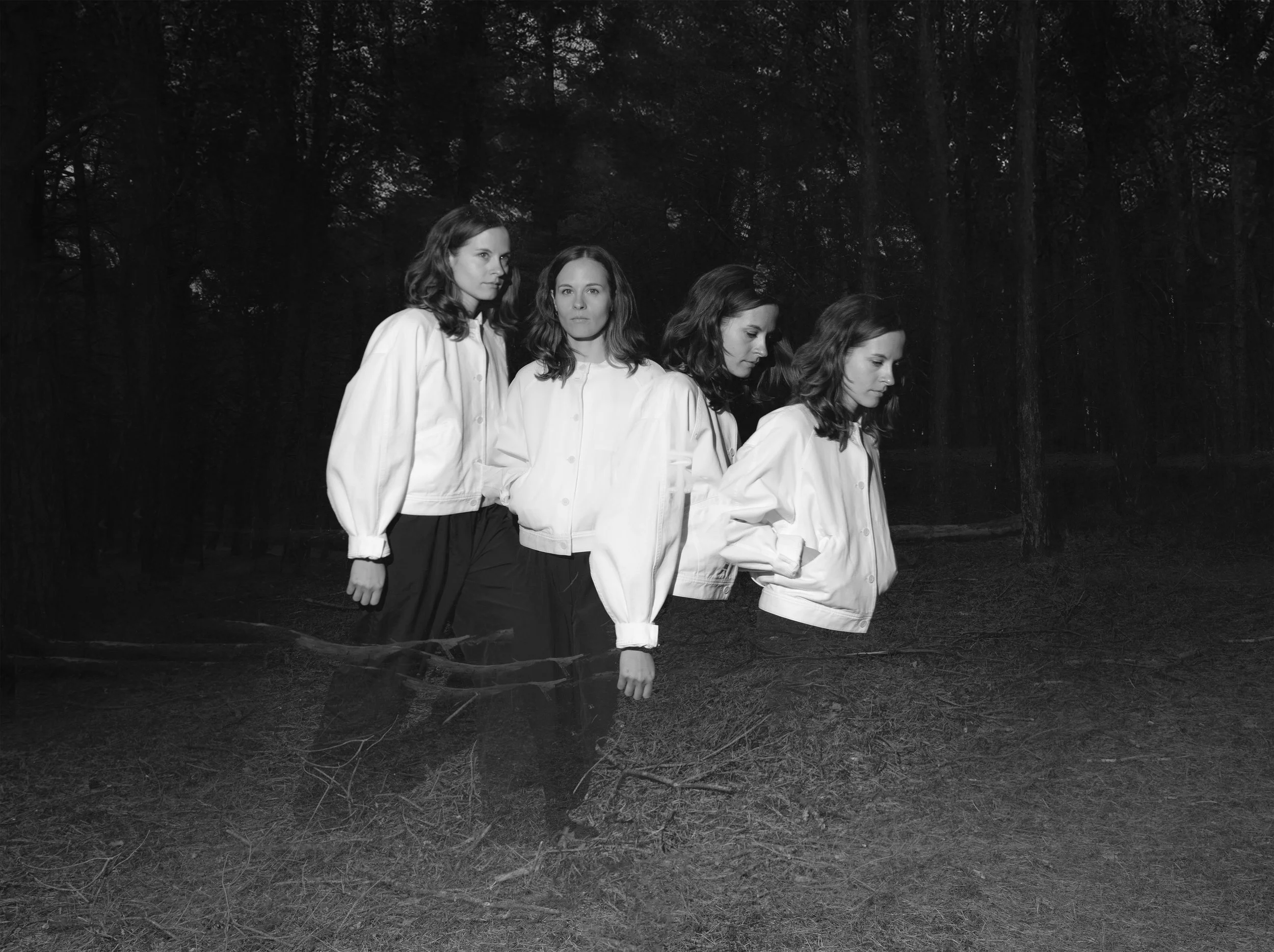
As a composer, Rani occupies a rare position in contemporary classical music right now. She's a crossover artist in the truest sense, not because she's diluting anything for mass appeal but because she's genuinely at home in multiple worlds. Her music incorporates synthesisers and electronics and field recordings alongside piano and strings, drawing from minimalism, ambient and avant-garde electronic music in equal measure. Since her debut, Esja in 2019, followed by Home in 2020 and Ghosts in 2023, she's built a body of work that refuses easy categorisation while remaining completely coherent. Everything sounds unmistakably like her.
She's been in London for a year and a half now, working from a studio near London Fields. Before that, Berlin, where she moved in 2014, and the city's vibrant music scene opened new possibilities for her. Warsaw, where she studied at the Fryderyk Chopin University of Music. And Gdańsk, where she was born and attended a talent school from age six, spending 12 years in practice rooms learning to play other people's music with exacting precision. "I received an amazing music education, but it's very traditional and a little bit old school," she says. "The standards and the professionalism of it are extremely high, but some bits need updating."
The bit that needed updating most urgently: nobody told her women could be composers. "For 12 years, primary school and high school, nobody told me that a woman can be a composer," she says. "I was not questioning that. I didn't think it was possible. The only composer I heard of was Hildegard von Bingen, and the other one was Clara Schumann, who nobody really took seriously at this time. It was in the 90s and early 2000s." She pauses. "It's funny how language really can shape your reality."
She composed anyway, privately, in practice rooms between lessons. Growing up, her parents weren't classical musicians, but they listened to everything, admired culture broadly, and gave her access to music beyond the conservatory walls. She'd write little things for herself while practising, with no ambition to share them. But eventually, it was time to release her debut album. "It was a very slow process until I realised that you can be a composer," she says. She didn't discover Philip Glass or Steve Reich until she was 24. "In those countries like Poland and Germany, American minimalists are not really seen as classical musicians and composers. They were just mentioned, but we were never really exploring them."
“Language really can shape your reality.”
Moving to Berlin changed everything for Rani; the city's music scene was bigger, more vibrant, and more willing to experiment. After finishing her studies and performing her last classical recital, she stopped performing classical repertoire entirely. "It was almost 20 years of performing classical music, and then I thought, now I want to really just focus on my thing."
Her thing, it turns out, involves a lot of different things. Her side project, Chilling Bambino, is almost entirely synthesisers, hardly any piano at all. "The sound is basically synthesised, nothing to do with acoustic instruments," she explains, "but the closest soundscape to the concerto is actually contemporary instrumental music rather than songwriting, rather than pop music, rather than rock music or jazz even." It's the shared commitment to texture and sound exploration that links them, the freedom to build something that doesn't conform to verse-chorus-verse or resolve neatly in three and a half minutes. "One thing about classical music is that, actually, it's extremely free in terms of textures and in terms of sound exploration. This is quite intriguing, and maybe this is something that I would love people to leave with."
Non Fiction came from a 2020 commission by Warsaw's POLIN Museum of the History of Polish Jews. Researchers had discovered sketchbooks belonging to Josima Feldschuh, a teenage prodigy who composed music while imprisoned in the Warsaw Ghetto during World War II. She died at 13, her enormous talent extinguished before it could fully develop. The museum wanted Rani to create something in response, a piano concerto that would honour this discovery.
"The starting point was that many elements of this piece were different to me," Rani says. She'd never worked with a large orchestra before. The first premiere in 2023 felt raw, unfinished. "I wasn't very happy about the first version, which probably feels normal because it's such a different setup. Many things just needed a bit more love and maybe time as well, and experience."
As she refined the concerto over the next two years, its scope expanded beyond Josima's story alone. She found herself thinking about ongoing conflicts, contemporary violence, and the ways history repeats. The piece now spans four movements. "I come from Eastern Europe, and I very much feel like often the history, especially of this part of the world, has been somehow romanticised in a way," she says. "Suffering and violence have been romanticised but also neglected at some point. I really wanted to make those things quite visible and real, but not through enhancing them or exaggerating them, just displaying them in as modern a way as possible."
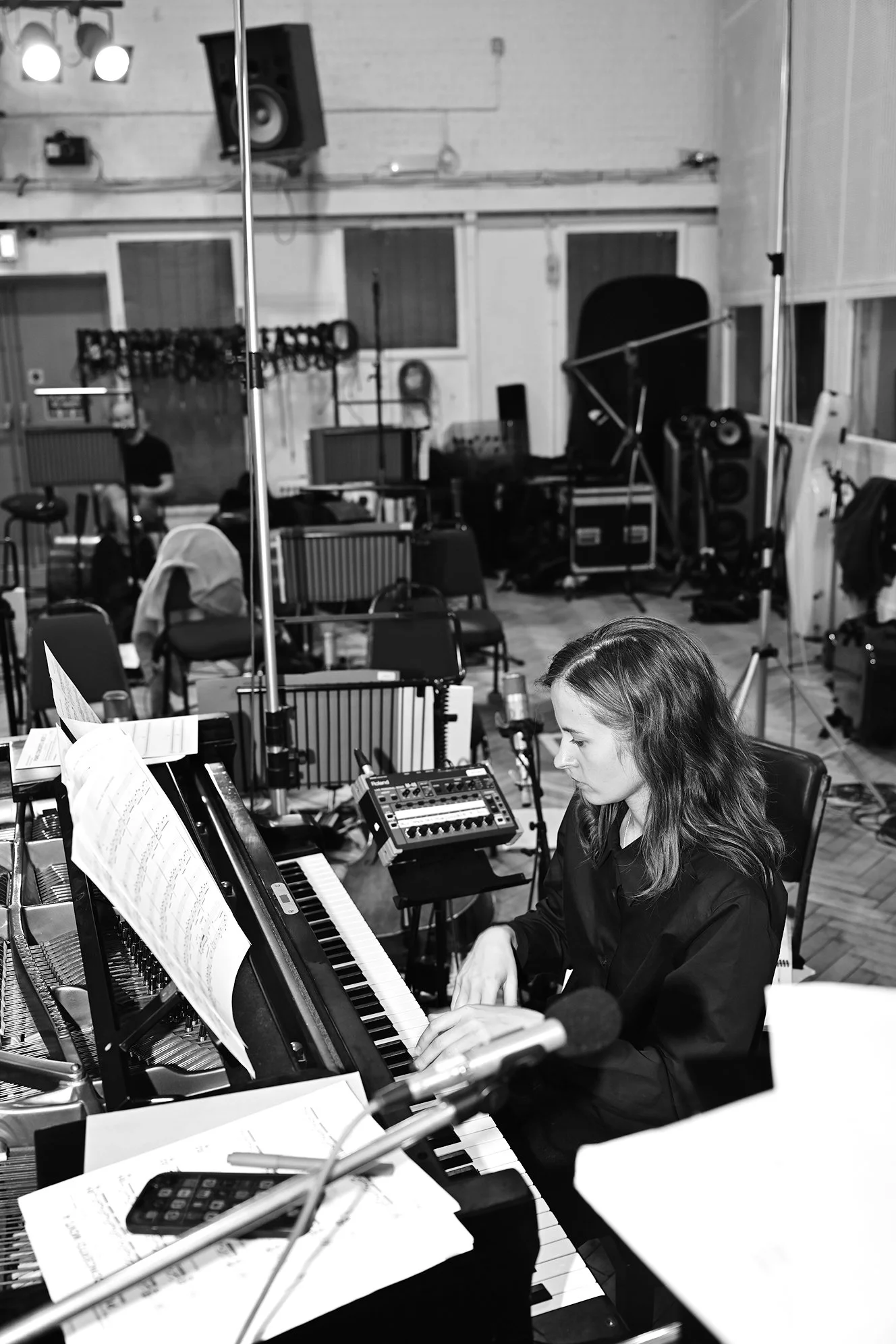
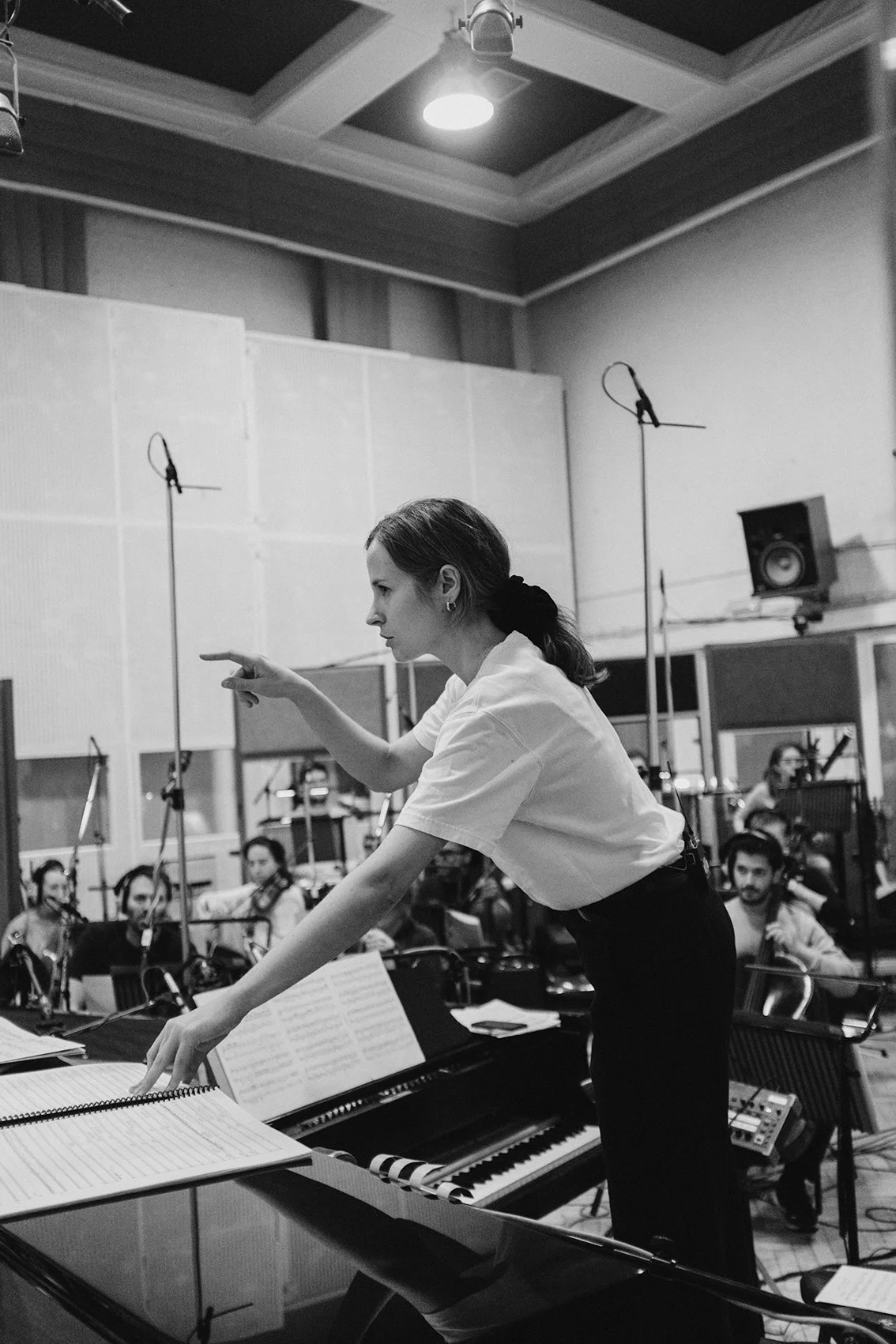
Finding Rakhi Singh and Manchester Collective proved transformative as her first experience with a traditional classical orchestra had been disappointing, the players dismissive, and the hierarchy notoriously rigid. Singh's approach was completely different. "She embraced this project beautifully and said, 'We just need to find the correct players and people who will find this music exciting and who will find this project also informing their practice,'" Rani recalls. The right players made everything possible.
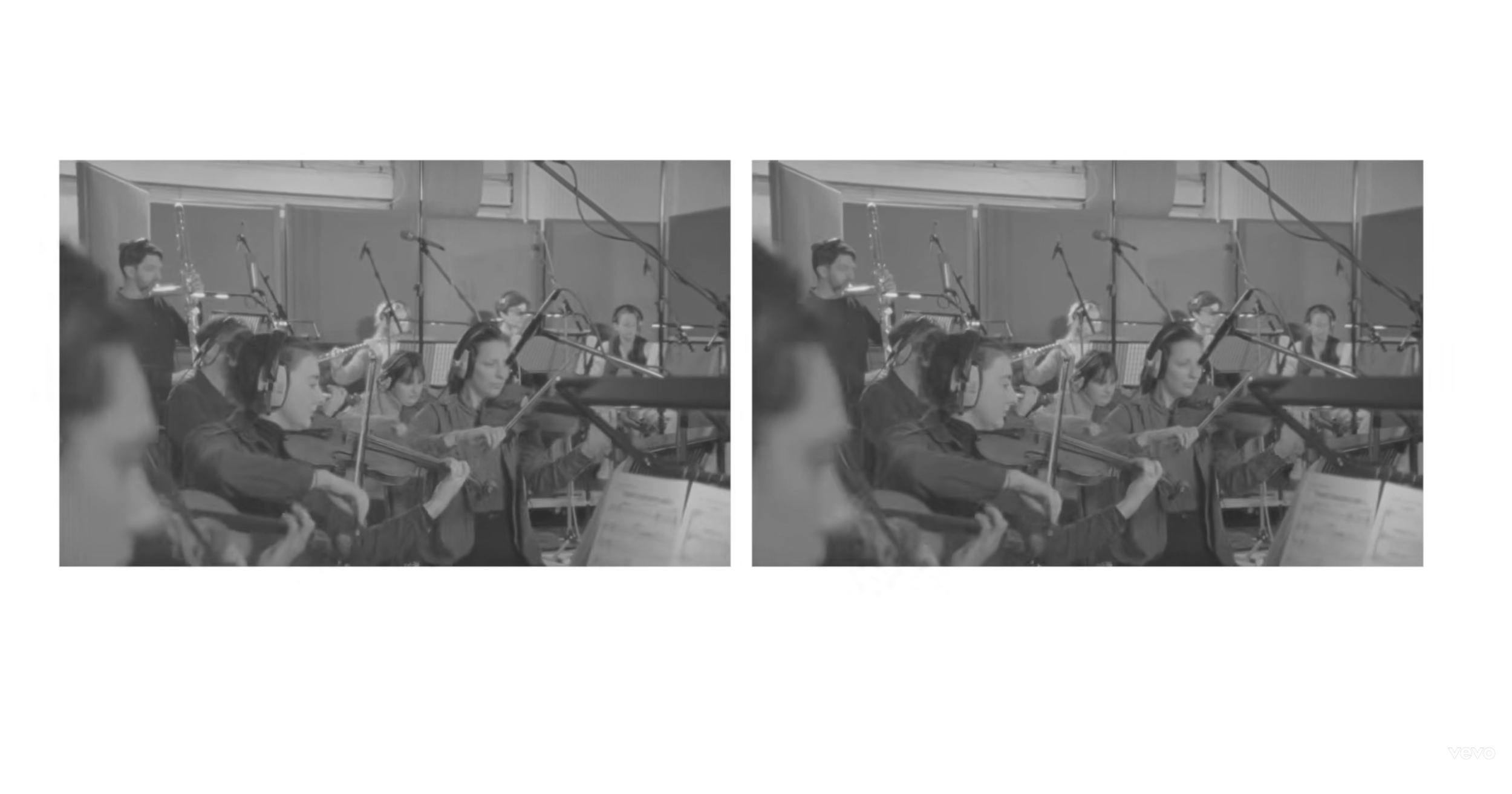
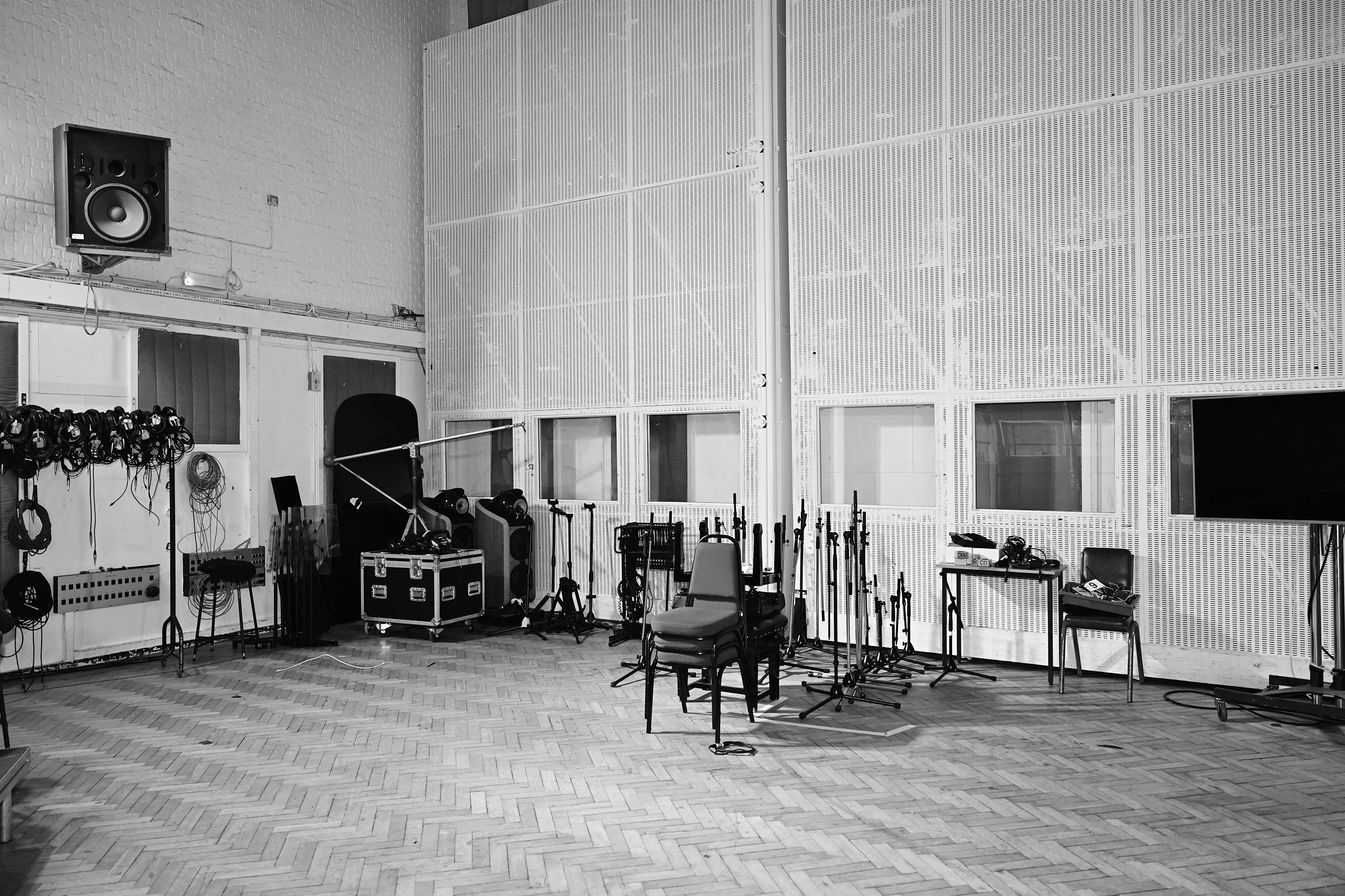
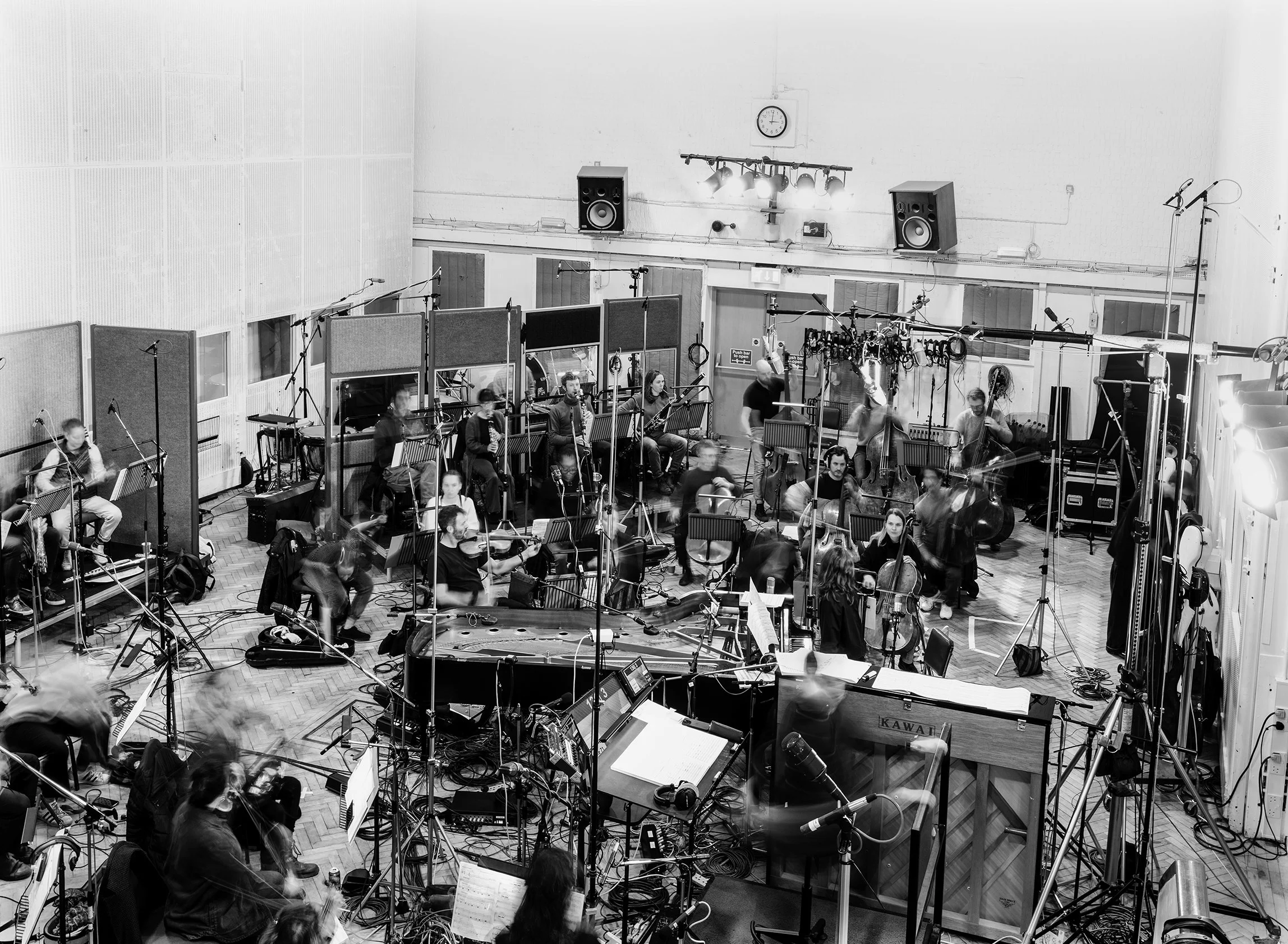
Recording for the album happened inside Abbey Road Studios, with 45 musicians packed into Studio One. They shot everything on film rather than video, which created its own challenges. "We decided to do everything on film, which is very difficult and very tricky," Rani says. "You cannot get as much material as you would normally do." One camera broke down during the sessions. She was conducting, essentially leading the orchestra, going back and forth to the control room to listen to takes. "I almost had to be the leader of the orchestra and all the time describe to people what I wanted and then go to the control room and listen," she explains. There wasn't time to supervise the visual documentation as closely as she would have liked.
The visual component matters enormously to her, even as she resents how the digital life for an artist has become the primary promotional channel for music. She worked with Teresa Balgarten, who usually designs lighting for her live shows, to process raw footage into something new. She commissioned Nat Faulkner, whose photography she'd discovered at Frieze, to create the cover art. "It was the very first time I commissioned an art piece from a living artist," she says. "I really wanted to bring as many things that feel like they are just happening at the moment now and, through this lens, look at the history."
I ask Hania how it feels to soon have Non Fiction out in the world after such a long time working on it. "The most terrifying moment for me always is to release an album because it's such a moment of truth," she says. "You cannot change anything. With music, you have everything in your head, and then once it becomes an object, it's just so mundane in a way. Something is lost, the magic is lost."
But this body of work also proves something, establishes that she can do this, that she belongs in this space. "Hopefully this will open a new chapter in a way because once this sort of thing is done, you cannot unsee it," she says. "It basically says that I can work with a big orchestra, so hopefully I can do it again!"
Non Fiction is an act of reclamation on multiple levels. It honours Josima Feldschuh's silenced voice while refusing to let historical violence become prettified or distant. It claims space for Rani as a composer in orchestral music, in a field that spent years telling her this wasn't possible. It insists that contemporary classical music can sound urgent and alive and entirely of this moment.
Photographs / Olivia Wunsche