
Aiyana-Lee and Howard Drossin on Finding Their Rhythm with Spike Lee
Words by Harry Levin
In all my years conducting interviews with musicians, Aiyana-Lee was the first to ever introduce herself through song.
“Had to give you a little something at 10 a.m.,” Aiyana says with unabashed swagger as she nurses her morning coffee on Zoom. Howard Drossin joins a few moments later. While he doesn’t enter on a literal sung note, he is on the same exuberant frequency as Aiyana. They’re excited to see each other, bond over drinking a cup of joe, and jest about the brief yet heavy spout of rain in Los Angeles. Drossin closes their pre-interview small talk by commending the lighting in Aiyana’s frame in the Zoom chat.
“Aiyana, you look like you’re on stage!” Drossin says with joy.
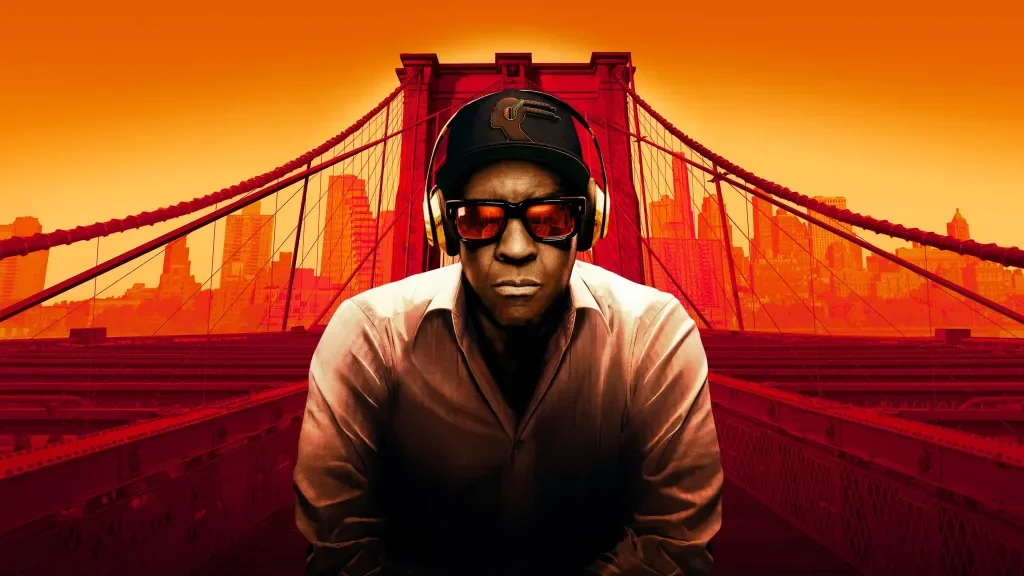
They are equally enthusiastic to discuss Highest 2 Lowest, Spike Lee’s recent joint starring Denzel Washington. The film is a modern interpretation of Akira Kurosawa’s High and Low (1963) in which Washington plays a music mogul named David King who is extorted for ransom in relation to a kidnapping.
Aiyana and Drossin both composed original music for the film. They worked together on the original song “Highest 2 Lowest,” which Aiyana sings in the final scene before a moved-to-tears Washington. Drossin also wrote the score.
“Spike knows what he likes, and he knows it immediately. There’s no grey area.”
– Howard Drossin
Before diving into their shared project, I’m curious about their favorite film and television scores throughout history, and their answers are in sync. Neither can name just one, but they both reference the works of legends like John Williams, as well as new movers and shakers such as Kris Bowers. “I love so many different scores for different reasons, but John Williams is one of my greatest idols,” Drossin says. “As a kid, I recognized something in his compositions that made me very interested in music.”
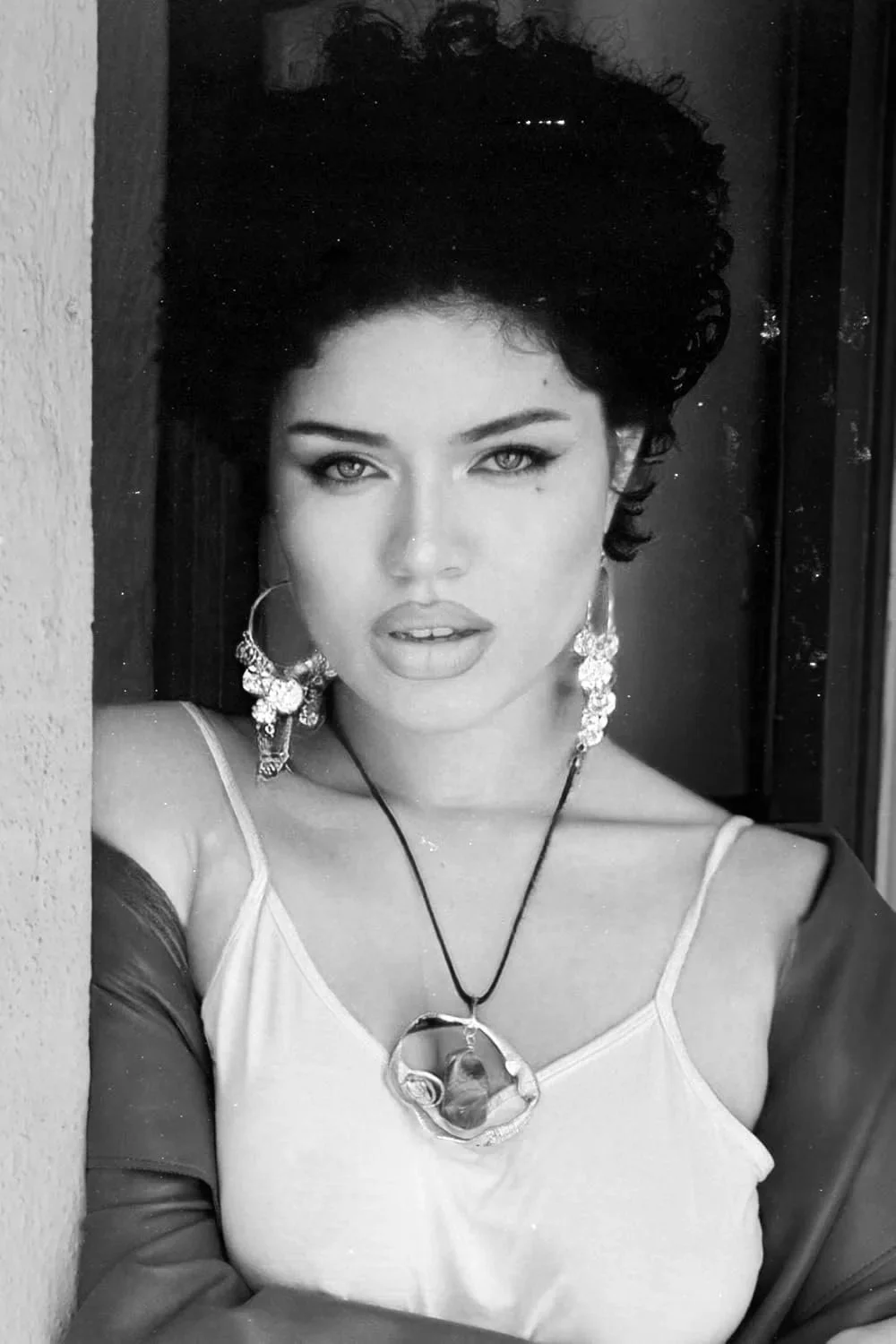
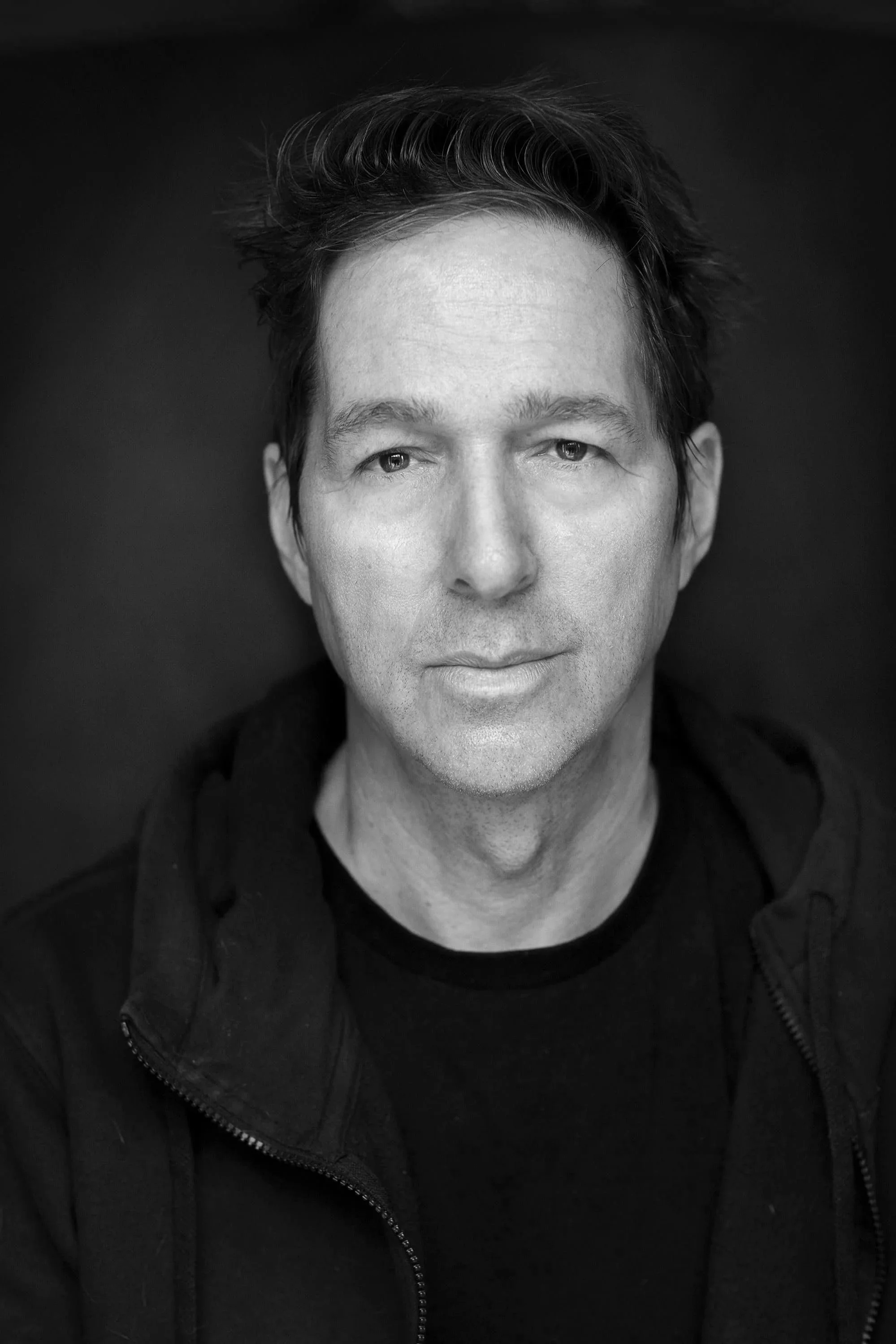
“I have to second the John Williams. I'm a huge fan of his work. He is probably a lot of people's introduction to the weight of what a score can do,” Aiyana adds. “Kris Bowers’ work on The Wild Robot was incredible. What he was able to do and convey with that score is something that I haven't felt in a long time.”
Aiyana has been a pop singer and songwriter for a long time, but working in film is something new for her. Highest 2 Lowest was her acting debut and her first time working with Spike. Conversely, Drossin is an established film composer who has worked with Spike on BlacKKKlansman (2018) and Inside Man (2006). His other projects include RZA’s The Man with the Iron Fists (2012), and he collaborated with Terence Blanchard on the Harriet Tubman biopic, Harriet (2019).
But in this case, Spike brought Aiyana into the project before Drossin. Spike reached out to her on Instagram after hearing “My idols lied to me,” a song she wrote and produced that went viral on TikTok. He brought her in to simply play the role of Sula, the singer who earns a place in King’s new record label after her audition at the end of the film.
The conversation naturally progressed to Aiyana writing her own song for the scene. She went through multiple versions with Spike giving concise feedback on all of them until they landed on the right fit.
“[Spike and I] were going back and forth for a week. I wrote 10 songs, and they weren't it. They weren't what was called for,” Aiyana explains. “Now, in retrospect, I can even understand it more, on a deeper level, why this was the song for it. He really wanted me to be honest and take from my own life experiences to create this moment for this character.”
The song is about overcoming the struggles, doubts, and judgments guaranteed to fall on you from the outside, something through which Aiyana has persevered as she navigates the industry as a solo artist (though now she has Spike Lee in her corner). “I've been in LA for so long, and to have somebody that's so grounded in reality and truth, and humbleness, it was such a refreshing thing. For him to be at that legendary status, and to still care so deeply about art, was inspirational for me,” Aiyana says. “To be introduced to that world, through his eyes, is such a unique experience.”
The movie is about the same struggles. After facing a horrible situation, King is starting a new record label to focus on the music first. Sula is his first potential artist, and as he listens to her detail his experience with nothing but her voice and a piano, physically reacting to the performance, he begins to imagine a flurry of orchestration. He imagines how he will produce the song after he signs it.
That’s where Drossin comes in.
“Spike called me up and asked me to work with Aiyana. I didn't know I was gonna score the film at this point, but he was looking for yet another notch, another crescendo. I had [the orchestration] done later that day. I sent him one version, he made a few comments, sent another version, and it was done. And I was floored by it,” Drossin says. “ It all went very, very quickly. Aiyana's very young, but she's an old soul. I can tell. As if she's been doing this stuff for decades, because it went very fast, and before we knew it, we were both flying to New York. She was singing it on set, take after take after take.”
When Spike then asked Drossin to compose the full score, working on “Highest 2 Lowest” primed him to maintain a strong connection to 70s R&B, which was the perfect fit for King’s character theme. He came up in that era, and his new label is a return to his roots.
“I certainly wanted [the character themes] to feel organic with each other,” Drossin says. “David's theme, in particular, also has R&B qualities to it. The rhythms of it, the melody, it all kind of came together in the end.”
Both Drossin and Aiyana are sure to mention, in their shared exuberant fashion, that everything worked so well because Spike is such a musically-minded director. He grew up in a musical household. His father, Bill Lee, played bass with everyone from Bob Dylan to Aretha Franklin. Bill also scored Spike Lee’s early films such as She's Gotta Have It (1986), School Daze (1988), Do the Right Thing (1989), and Mo' Better Blues (1990).
“Spike knows what he likes, and he knows it immediately. And he knows if there's something he doesn't like, and he'll want you to change it. There's no grey area,” Drossin says. “And I'm sure if you've spoken to other composers, it can be tough sometimes. You're chasing your tail trying to find out what's gonna work. Spike gets to the point quickly, and you know how to get the job done.”
