How Nobuo Uematsu finally wrote for the concert hall
Nobuo Uematsu made his name with three electronic sounds and the Final Fantasy scores that followed. His first stand-alone orchestral work, recorded at Abbey Road, is a fairy tale voiced by Alicia Vikander.
Words by Anton Spice

When Nobuo Uematsu began his career in music, he only had three sounds to work with. Looking for a job as a composer with few connections, little experience and no formal training, he got his foot in the door at a newly founded Japanese video game developer, Square (now Square Enix), asked to make tunes to accompany the company’s newest games in what was, in 1986, a novel and as-yet-undefined genre: video game composer. He hoped it would be a stepping stone to something greater, like writing film scores or popular music.
Then, in 1987, the first in a series of new role-playing video games called Final Fantasy was developed by Square, and Uematsu was asked to create the music. With a palette of just three sounds - which he would bend, shift and stretch to different frequencies - he crafted melodies that would go on to define one of the most popular and influential video games ever made. Almost forty years later, Uematsu is an icon of the medium, now working not just with a handful of electronic sounds but whole orchestras, ready to share his first large-scale symphonic composition with the world.
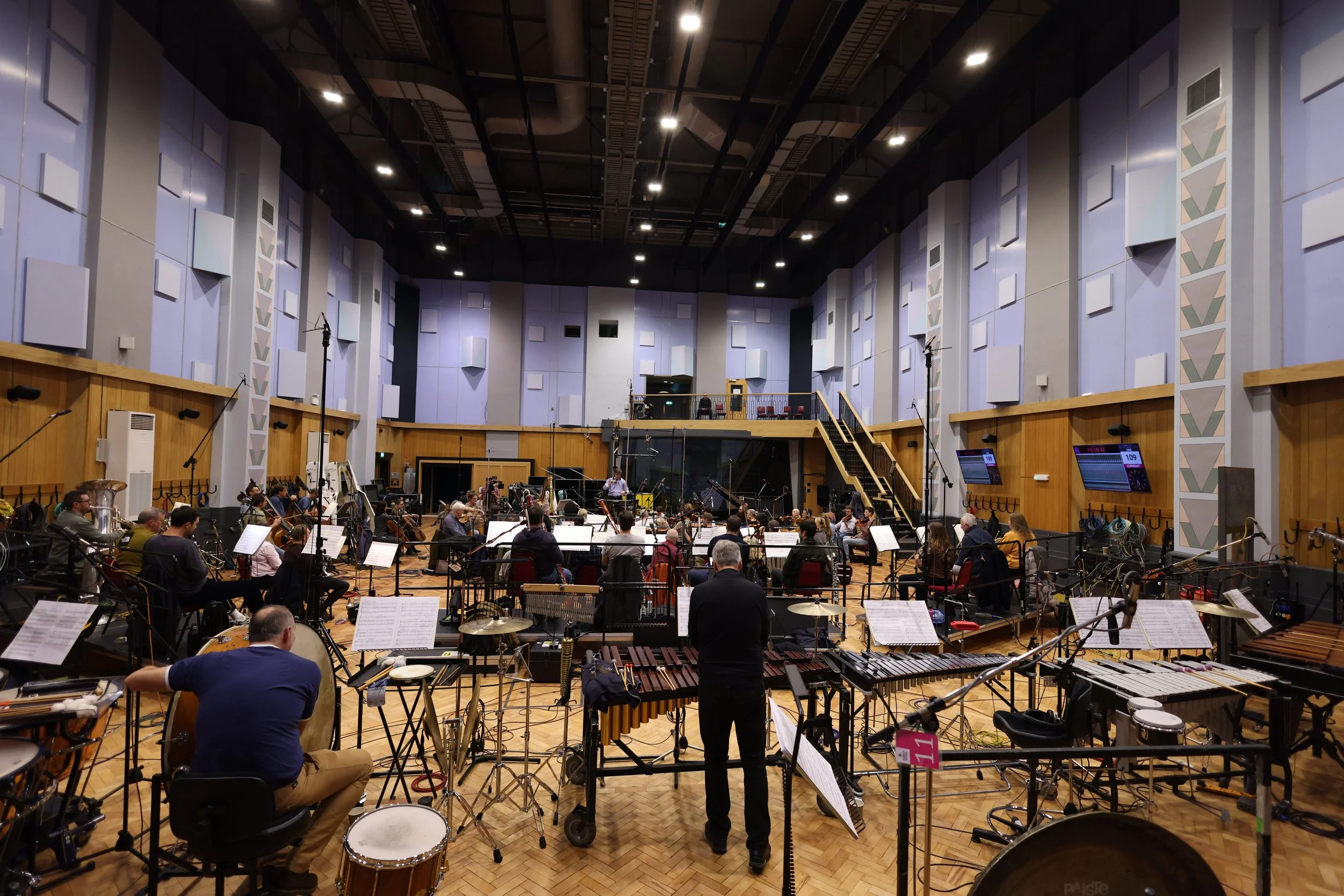
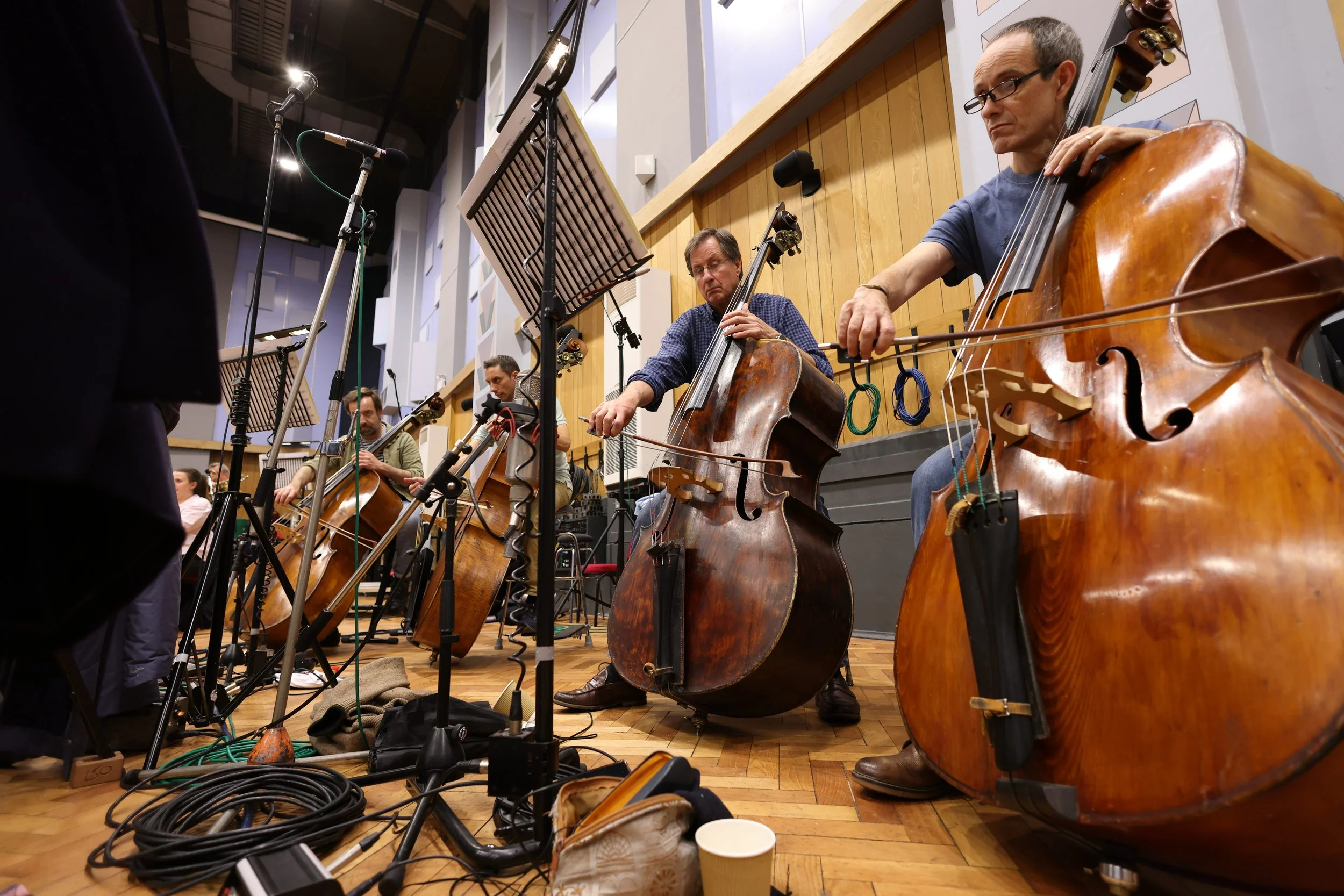
Recorded at Abbey Road with the London Symphony Orchestra, Merregnon: Heart of Ice is an orchestral fairy tale, created by German producer Thomas Böcker and voiced by actor Alicia Vikander, that contains all of Uematsu’s playful verve – a story aimed at families and young people in the world-building tradition of the best video games. Premiered live in 2024, it has now been released for the first time as a full-length album, released by iconic classical music label Decca.
It is perhaps fitting then that Nobuo Uematsu’s first stand-alone orchestral commission has been written primarily for children. For many, the opening theme of Final Fantasy 1 will have been among the first musical compositions they encountered. Video game soundtracks, like theme tunes for television shows, were often simple yet evocative, a trigger for entering an imaginative world, the doorway through which you entered.
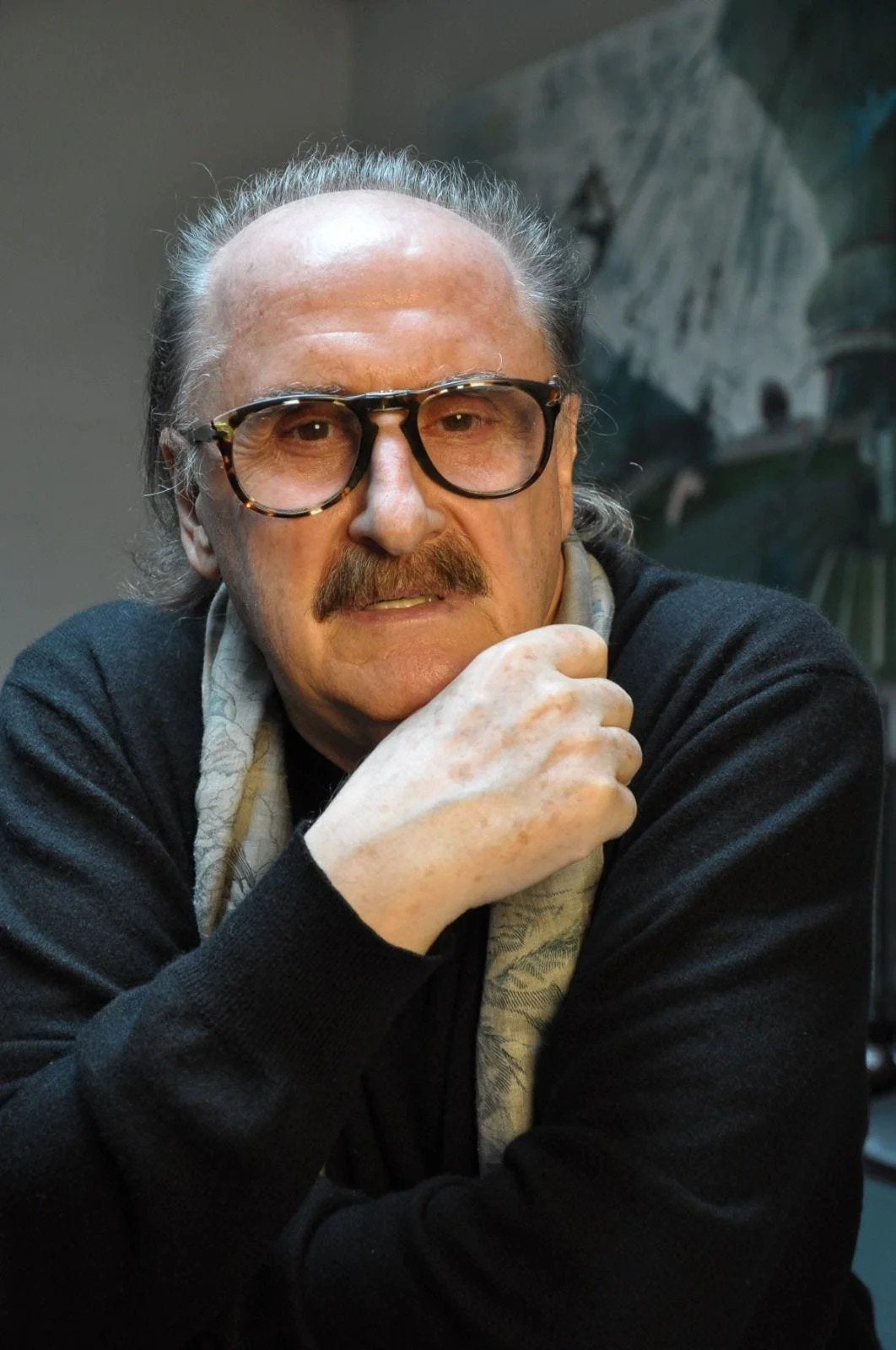
"I don't like crowded city centres. It's probably because I want to follow my own expressive voice without being influenced by the city."
I can’t quite put my finger on the first piece of composed music I was moved by as a child. The strangely haunting melody of Peter and the Wolf, perhaps, the wind-up soft toy clown that my parents had christened Brückner (suitably for a child named Anton) that performed music box renditions on demand, or Beethoven’s ‘Für Elise’ rendered in electronic bleeps by my battery-powered Playmobil piano. And yet, they are embedded deeper in my subconscious than many others which came after. They speak to both the power of music and the plasticity of youth, an openness to melody which, like the images from popular children’s books, comes to define whole worlds for us from a young age. Writing music for children is, in some respects, one of the most noble and challenging tasks a musician can face.
Uematsu also struggles to define his childhood exposure to classical music. “I didn’t consciously listen to symphonic music,” he remembers, “but looking back, all the film scores that I loved listening to at the time were performed by an orchestra.” A self-confessed musical omnivore, he absorbed everything he could get his hands on – rock, jazz, classical, folk, and chart hits. In an interview with RBMA in 2014, he detailed just what a benefit this voracious listening had on his compositional style, adapting to the needs of changing environments in complex video games, by being able to move between “grandiose, movie-style music with a sense of openness … cute music for cute characters … [or] something like progressive rock to battle scenes.” Video game music needed to cater for stories, not genres. And each story can contain worlds.
Growing up in the coastal town of Kochi on the southern side of the island of Shikoku, Uematsu was also drawn to the sounds of nature that surrounded him, much of which has made it into his work over the years. “A river runs outside my house, and I also own a cabin in the mountains,” he says of his current environment. “I don’t like crowded city centres. It’s probably because I want to follow my own expressive voice without being influenced by the city.” For Uematsu, the city meant trends, and trends can have a way of stifling creativity.
It’s not the only thing Nobuo Uematsu decided to do his own way. Being self-trained was both a blessing and a curse. “On the plus side, I was able to compose the way I wanted because I didn’t have a teacher to follow,” he reflects. “On the minus side, it took me a long time to lay the foundations of my music because I didn’t have a teacher.”
"I would say my music is simply a Japanese person wearing Western-style clothes."
Then again, when it came to video game soundtracks, there were few obvious mentors. Working at a music supply shop, Uematsu had made the acquaintance of someone at the newly founded game developer Square, who invited him to join the company in 1986 as a composer. He was catching a wave, although he may not have known it at the time.
The mid 1980s represented a period of great experimentation and abundance in Japanese music culture – the sense of potential from the economic boom years flowed through creative technology industries, both in the development of new electronic synthesizers and drum machines and in the games that would constitute a new frontier in entertainment culture for upwardly mobile young people from the aspirational middle classes. Perhaps not having too many preconceptions about classical form and instrumentation made Uematsu all the more suited to this unique new task.
“I think the biggest challenge early game music faced was, 'how to make these expressionless sounds expressive, when we were limited to an 8-bit system, and we could only use three electronic sounds simultaneously?” he says. These sounds would be tweaked to create new variations that could be sculpted into recognisable melodies. “Perhaps people can be more creative when they are working within certain constraints,” he reflects, obviously having enjoyed the challenge of crafting classical suites from a handful of available notes.
More than any other genre or medium, video game music was beholden to advances in technology, forcing Uematsu and his contemporaries to adapt at every turn. When the Nintendo (NES) was supplanted by the Super Nintendo (SNES), those 3 electronic sounds became 8 sampled ones. Processing power was expanding his world, just as the success of the Final Fantasy series was already seeing Uematsu’s compositions translated into orchestral arrangements for live performances. Asked what he feels the role of music is in a video game, he replies simply: “oxygen”.
What Uematsu thought would be a short-term engagement with Square lasted almost twenty years. By the time he left the company to form his own production company, Smile Please, in 2004, he had contributed music to all seven Final Fantasy games up to that point alongside many others. Almost 50 games have followed, as well as scores for film and anime productions, breathing sonic life into visual stories and realizing scores in large-scale live performances around the world, for one-off events and tours with his band conTIKI.
Merregnon: Heart of Ice takes Uematsu into new territory once more. Composing for the concert hall rather than the screen, without the visual cues inherent to video games and film scores, it has given free rein to Uematsu’s sonic imagination. “I thought it was a story that is easy to understand and relate to,” he explains. “I focused on composing melodies that are easy to follow, rather than developing music in a complex way.”
Telling the story of wooden robot Kjugo and his journey across the frozen landscape of Merregnon in search of his inventor Nuobi, it draws structural influence from Prokofiev’s Peter and the Wolf insofar as each character is given their own motif, Kjugo’s own held by a jaunty, curious refrain that speaks of his cheerful demeanour. There’s an urgent grandeur and drama to ‘The Ice Labyrinth’ sequence, a melancholy nostalgia to ‘Frozen Tears’ and a sense of adventure and abandon to ‘Sliding Through The Snow’.
Like much of Uematsu’s previous work, Merregnon finds an intuitive middle ground between the Western orchestral tradition and his Japanese heritage. “I would say my music is simply a Japanese person wearing Western-style clothes,” he elaborates. “My mentality is totally Japanese. It is evident in the way I develop my melodies, not in terms of the notes, but in the unfolding of emotions.” No longer confined by technological limitations or defined by pre-existing images, Merregnon is a dreamlike opus, a study in melodic simplicity and luscious harmony, designed to speak to the mind’s ear as well as its eye.
When he was interviewed by RBMA in 2014, Nobuo Uematsu was asked to reflect on the ways in which his approach had developed over the 27 years since the release of the first Final Fantasy game. “What I was conscious of [then],” he said, “hasn’t changed.” He said the connecting thread was harmony. This generosity of spirit in Uematsu’s sound continues to shine through in 2026 - a sense of play and possibility and a belief in the power of music to transport us to new realms of imagination and feeling. What is he most proud of having achieved in those forty years? “I’m proud that I’ve never given up,” he replies simply. One stepping stone after another. The journey continues.
Merregnon: Heart of Ice is out now on Decca Classics.