What Scoring 5 Seasons of Hacks Taught Carlos Rafael Rivera
Composer Carlos Rafael Rivera reflects on scoring Hacks from the beginning and what Deborah Vance and Ava Daniels taught him about comedy, composition, and the music that lives beneath the joke.
Words by The Blank Team
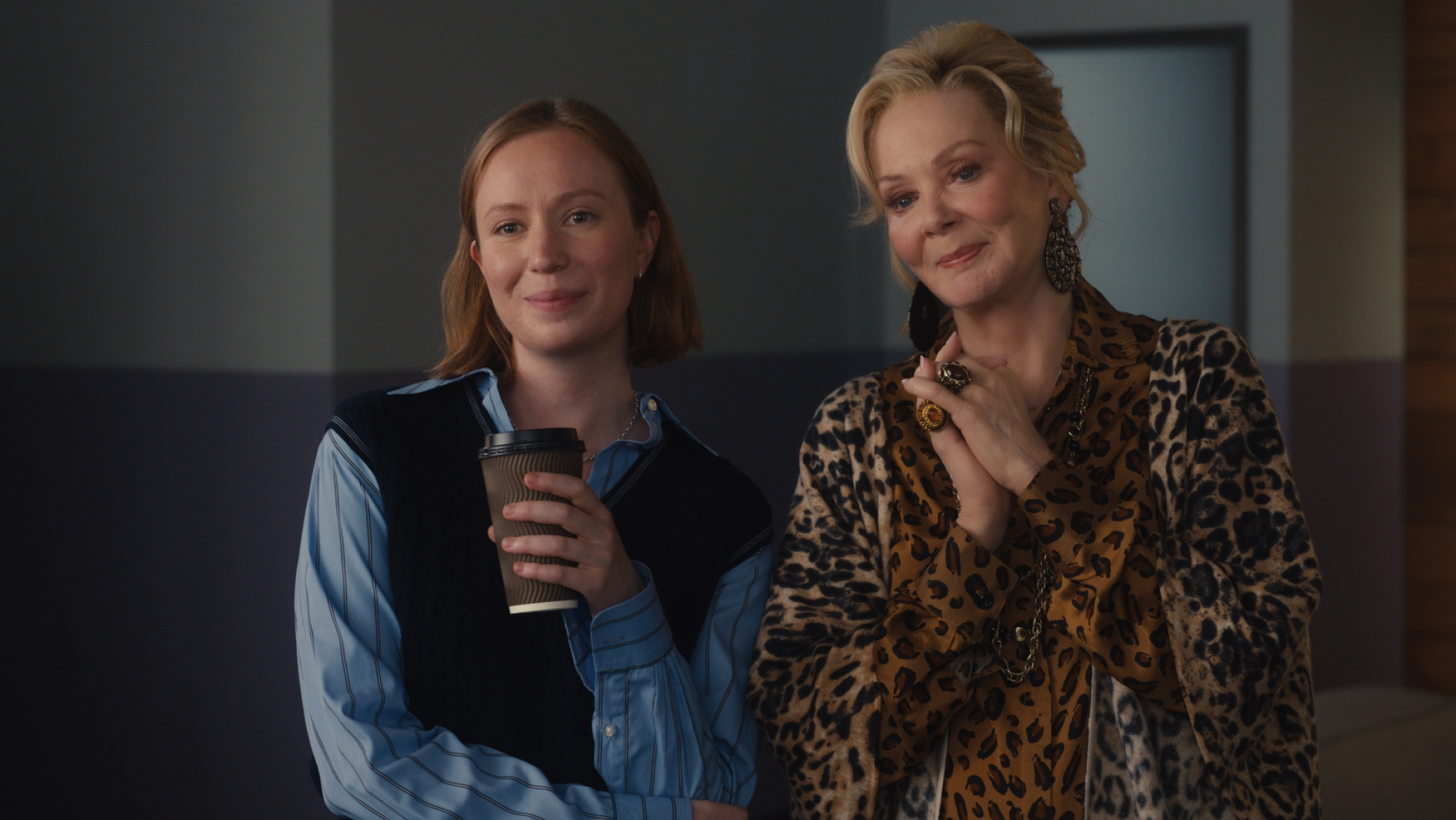
“As Hacks reaches its culmination, I've been thinking about what it has meant to musically live with Deborah Vance and Ava Daniels for five seasons.
What I keep coming back to is this: comedy only works when you take the characters seriously. Working with Lucia Aniello, Paul W. Downs, and Jen Statsky and scoring the powerhouse performances of Jean Smart and Hannah Einbinder has reminded me again and again that the best stories usually tell you what they need if you are willing to listen closely enough.”
1. Comedy and Drama Are Two Sides of the Same Coin
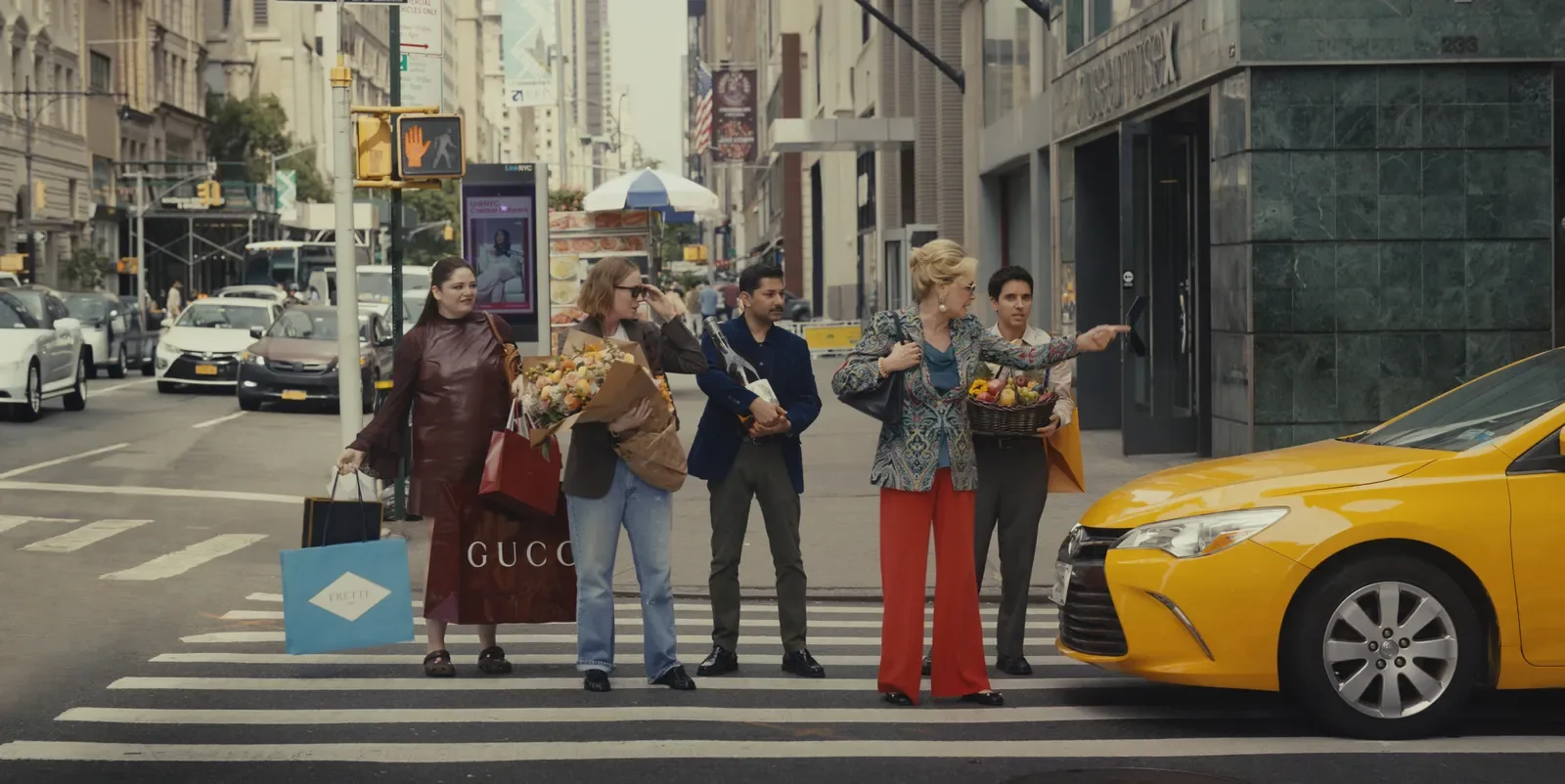
“When people think of comedy, they often assume the music should be funny. On Hacks, I learned very quickly that the opposite was usually true. I often played comedic scenes very seriously because treating the emotional truth of the moment with respect usually served the comedy better than chasing the joke.
Randy Newman once told me: 'Serve the picture, not your ego. On Hacks, that often meant scoring the vulnerability beneath the jokes.
From the beginning, Lucia, Paul, and Jen, or JPL as we call them, wanted the music to feel retro and emotional. That gave me permission to find a sound that honored the characters’ humanity, instead of simply playing for laughs.”
2. Themes Can Reveal What Characters Have in Common
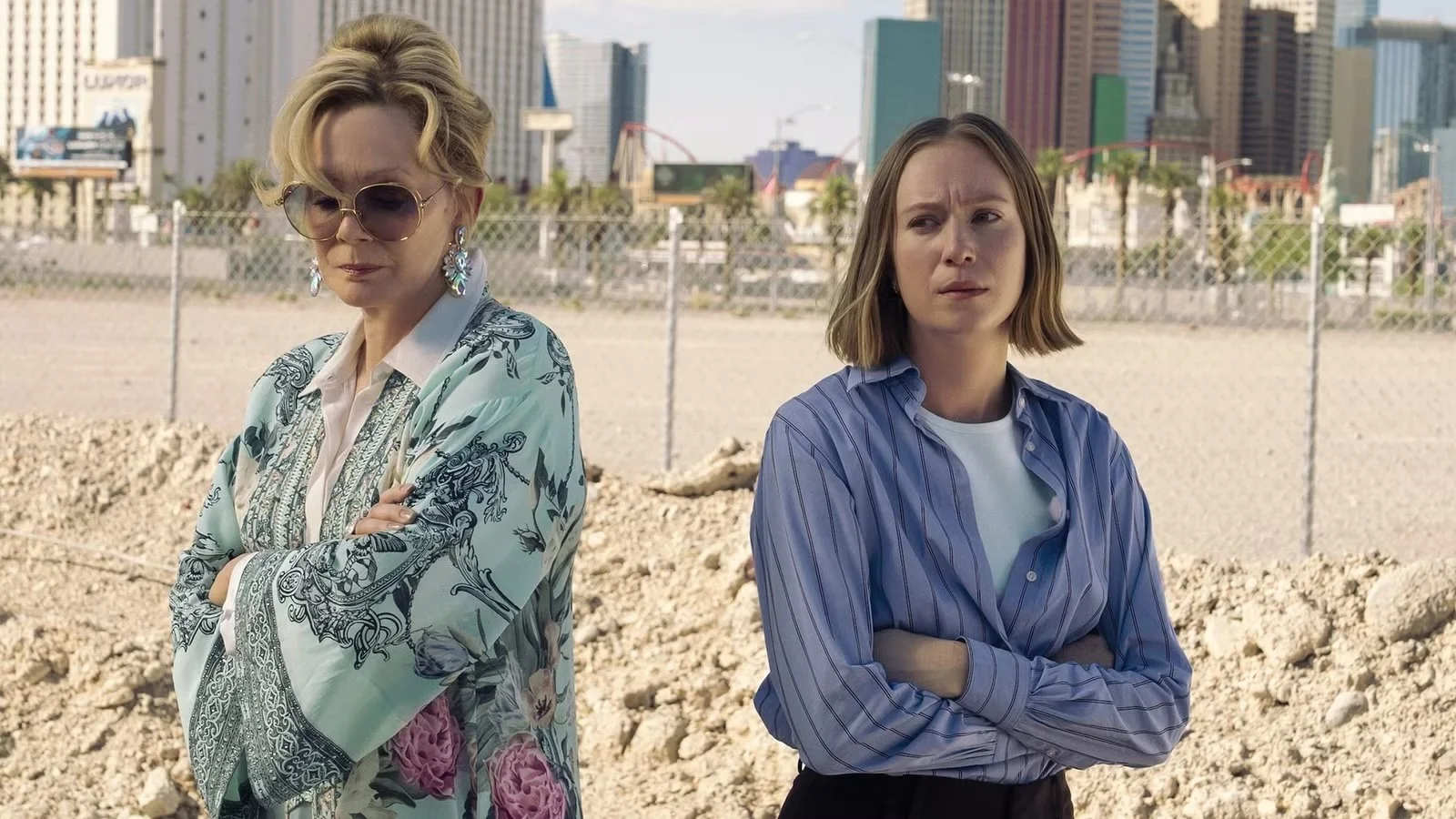
“When I first started thinking about the themes for Deborah and Ava, I was trying to get a sense of who the characters were. The simple version was that Deborah was at the twilight of her career, and Ava was on her way up. One thing that struck me in the opening scene of Season 1 was that Deborah, although very wealthy, was very lonely. That loneliness in that big space led me to the piano, an analogue-sounding instrument of her time.
For Ava, I wanted a slight contrast. More of an electric keyboard world, with more pep and movement. I was interested in having Ava’s music as cend because she is coming up in her career, while Deborah’s theme moved downward because her career was fading.”
But even though they are very contrasting characters, to me, they are mirrors to each other, and that is why the story works.
So I wanted them to have something in common. If you pay attention to the final chord of Deborah’s theme, Ava’s theme lands there too.
That was a personal thing that was motivating me to write. I do not know if the audience needs to know it consciously, but it helped me write, and that was the point.
3. The Work Is Better When the Team Grows With It
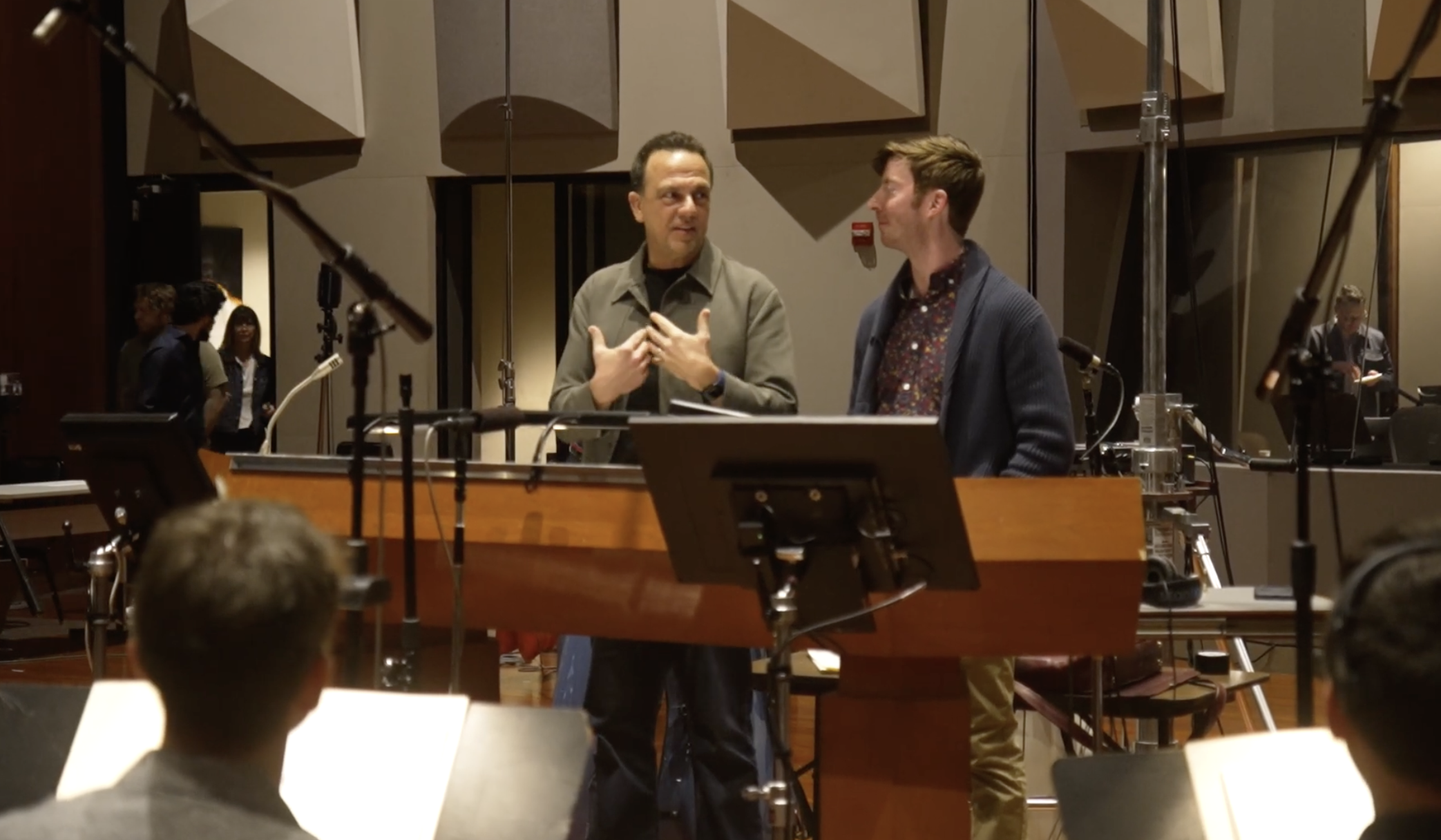
Scoring a show like Hacks is never a solitary thing. The editors would often temp existing music into their cuts, and then JPL would come to us with specific needs. Sometimes they wanted something new. Sometimes a scene needed a different take.
That back and forth is the work.
It also connects to something I care about deeply as Chair and Professor of Media Scoring and Production at the Frost School of Music. In class, I share all my mistakes because that is usually the most useful part. I want students to understand the job as it really is, not as some mysterious thing that happens behind a curtain.
I think about additional music teams in a similar way. Someone comes in, learns how you think, learns the process, learns the pressure, and then hopefully grows past what they were first asked to do.
David Stal was part of my music team starting with Godless in 2017. On Hacks, he contributed additional music in Season 1 and became a co-composer in Season 2. That mattered to me because a co-composer credit on a returning show can help someone establish themselves in a real way.
One of my favorite Star Wars lines is spoken by Yoda: “We are what they grow beyond.” That is how I try to think about teaching. It is also how I try to think about building a team.
I’ve been lucky to keep building that kind of team with Asuka Ito, who has been with me since The Queen’s Gambit in 2020, Ray Kim, who joined in 2021, and, more recently, Henrik Åström and Rhyan D’Errico, who joined at the beginning of 2026.
4. The Music Has to Change When the Story Changes
By Season 3, Deborah’s story had shifted toward late night, and JPL wanted a version of her theme that felt like a reinvigoration of her aspirations. That first appears when she heads to CBS to pitch her show.
We also got to write an original theme song for her on-camera audition, which was fun because it had to relate to Deborah’s character but still feel like its own late-night show idea.
By Season 4, the season begins with Deborah and Ava as rivals, so the music had to respond to that. A theme cannot just be a label you put on a character. It has to keep earning its place in the story.
5. Scoring Starts Before the Music
One of my favorite details in the finale has nothing to do with the score, which is probably why I love it so much.
The opening scene of Season 1, Episode 1 follows Deborah from behind as we enter her established world as a comedian. The opening scene of the final episode follows Ava from behind as we enter the world she has now built for herself.
To me, that kind of visual rhyme is not just clever. It tells you what the story has been doing all along.
And that is the job before the job. Before writing music, you have to notice what the story is already telling you.
Final Thoughts…
After five seasons, Hacks reminded me that the music does not have to explain the scene.
We are not scoring what you see, but rather the characters’ interior country. That is still the part of the story I try to listen to.
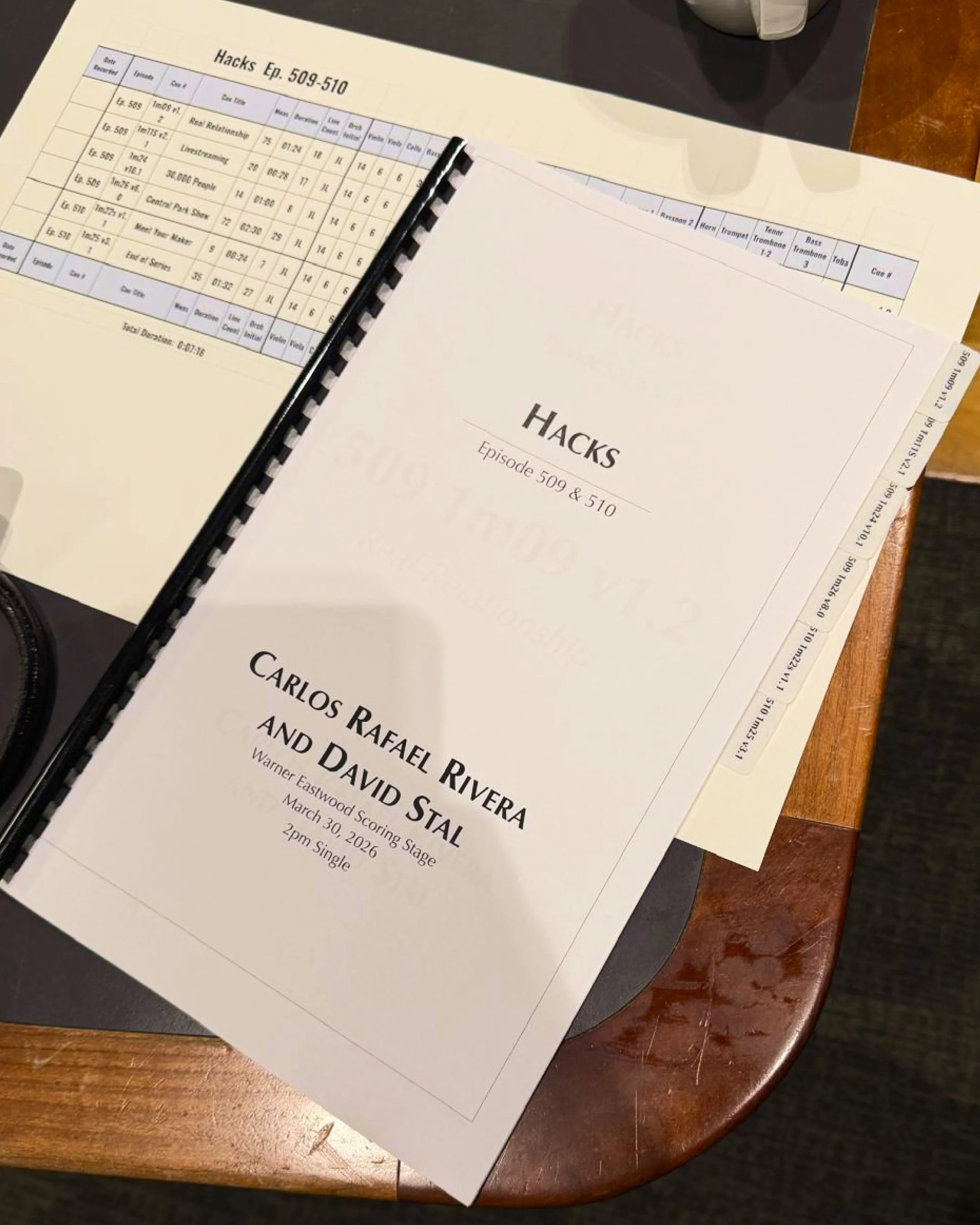
The last music we recorded for Hacks Season 5 was at Warner Bros.’ Eastwood Scoring Stage, with some of LA’s finest musicians. These final episodes required it, and having the showrunners and cast there for the final sessions was particularly rewarding.
I will be ever grateful to JPL for hiring me in the first place, to David, Asuka, Ray, Henrik, Rhyan, and to the musicians who helped bring Hacks to musical life.