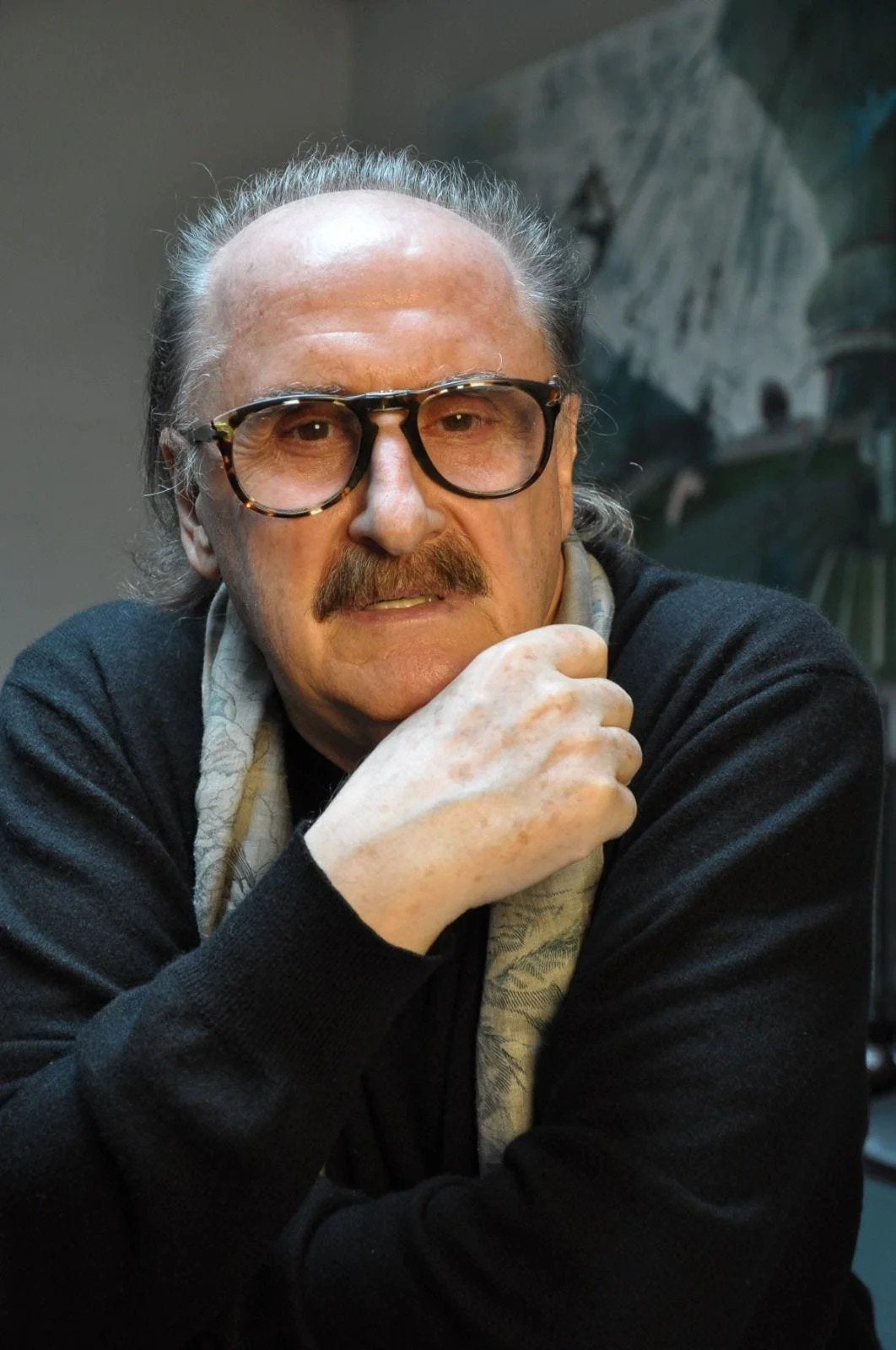
The composers behind Nicolas Winding Refn's films
Most directors hire a composer per film, but Nicolas Winding Refn has spent thirty years building a small, loyal circle of them instead. Promoting the same handful of names from one project to the next and occasionally reaches back into his own record collection to pull out someone he's been listening to for decades.
Words by The Blank Mag
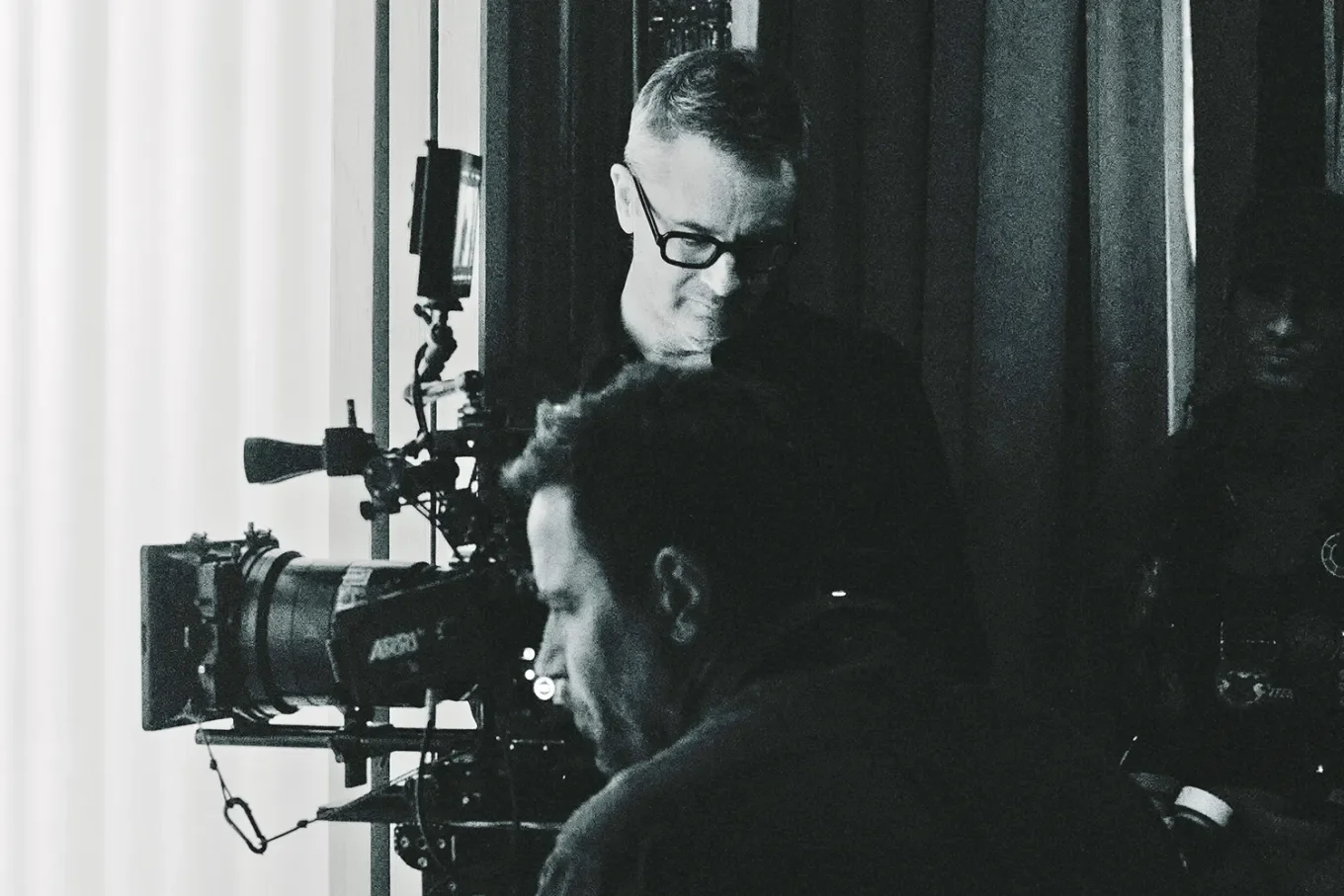
Photograph / Neon
From a Copenhagen punk trio paid in favours to an eighty-four-year-old Italian legend coaxed out of retirement this year, here is every Refn soundtrack, composer by composer, from the beginning.
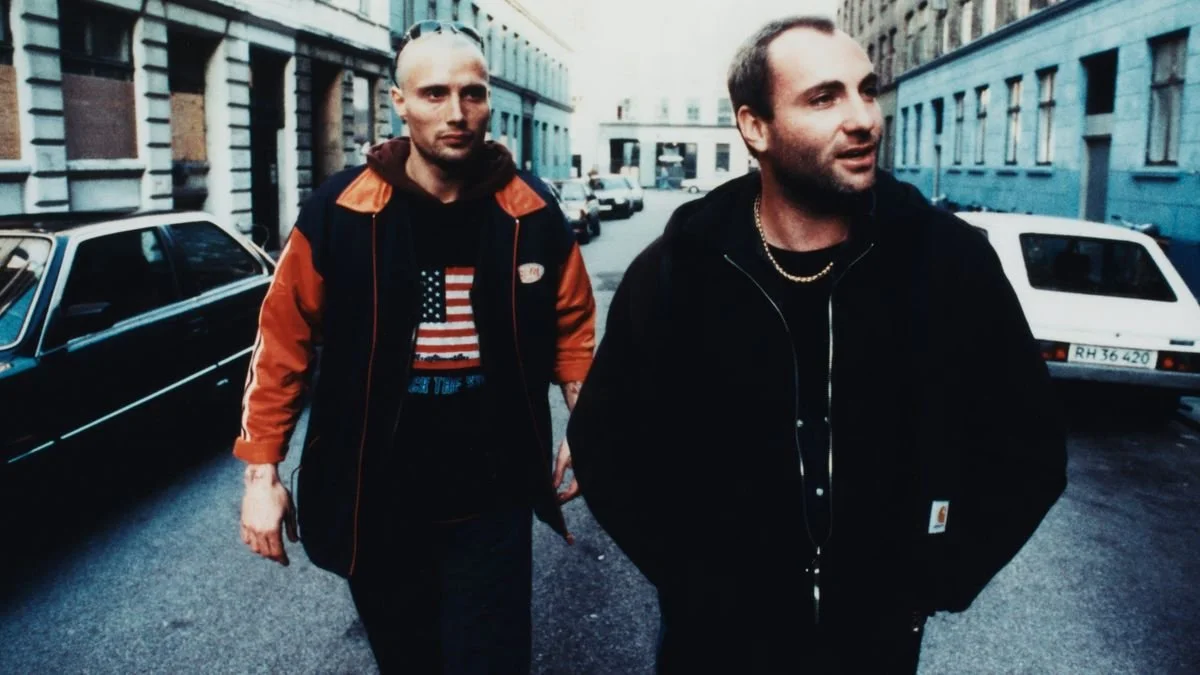
1: Pusher (1996)
Music: Peter Peter and Povl Kristian
Refn's debut, a fast, nervy account of a Copenhagen dealer trying to pay off a Serbian gangster before the week runs out. Peter Peter and Povl Kristian formed a temporary band, The Prisoner, just to record it, and the result is aggressive, guitar-driven punk built to sit inside the film's bloodstream rather than comment on it from a distance.
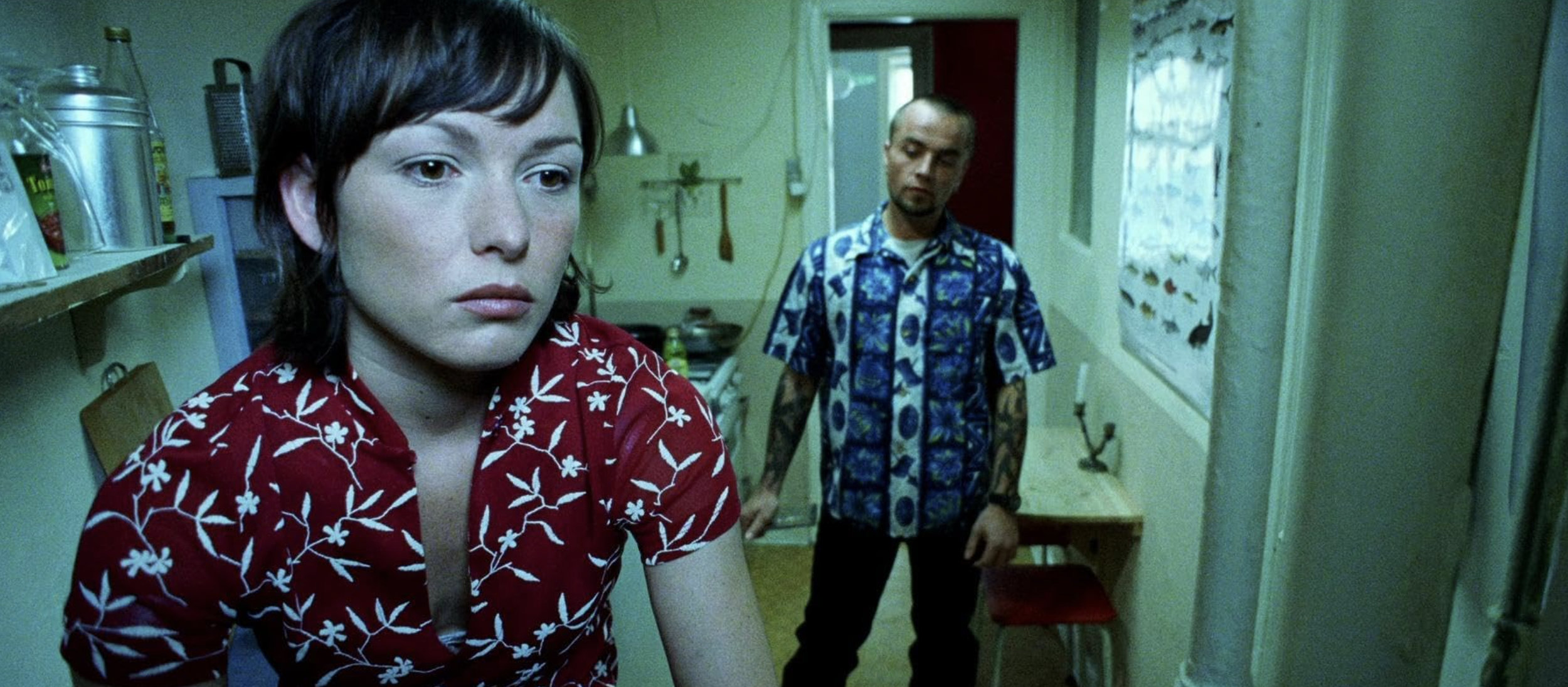
2: Bleeder (1999)
Music: Peter Peter, Peter Kyed and Povl Kristian
Not a sequel, though several Pusher faces returned. Peter Peter came back too, this time joined by Peter Kyed, the beginning of a partnership that would follow Refn for the next two decades. The score runs almost continuously through the film, a homegrown Copenhagen mixtape rather than a conventional underscore.
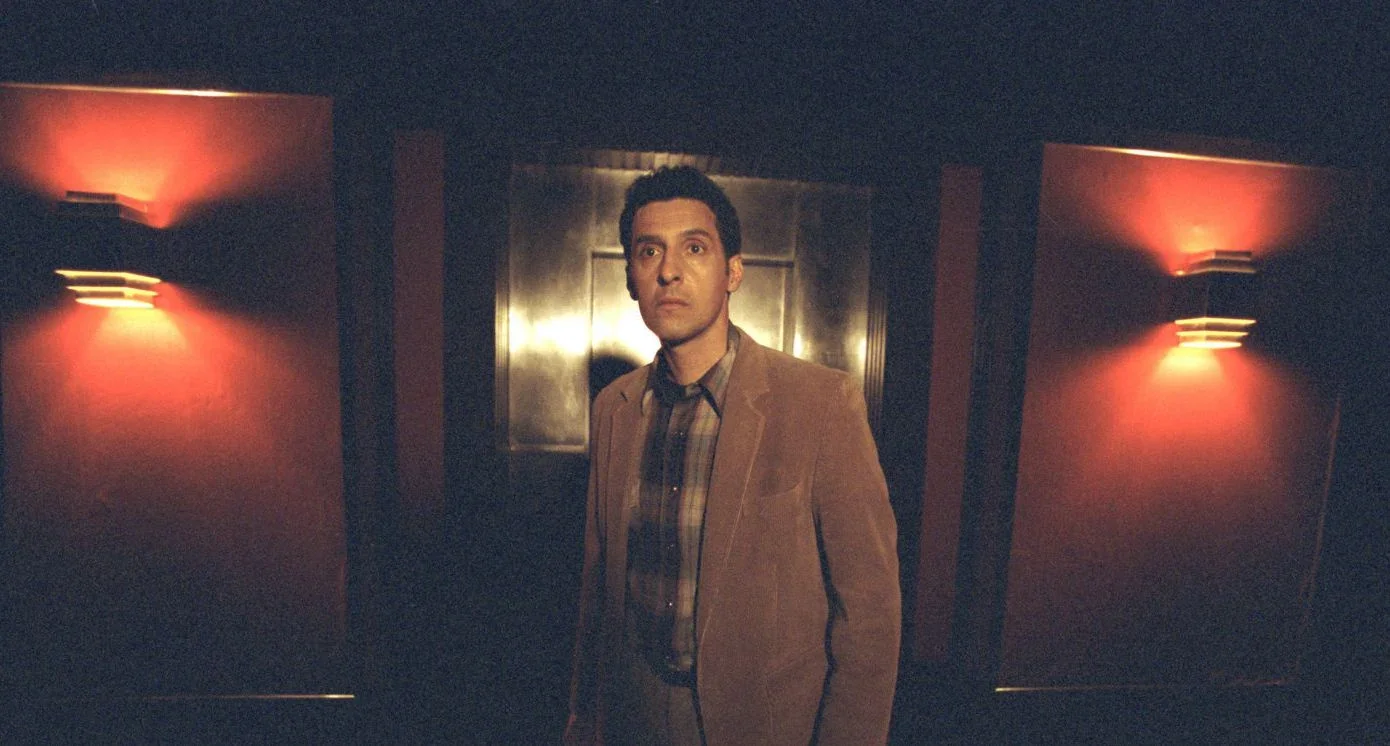
3: Fear X (2003)
Music: Brian Eno and J. Peter Schwalm
Refn's English-language debut, and his first real flop: a slow, ambiguous psychological thriller with John Turturro as a security guard unravelling his wife's murder. He sent Eno the first two Pusher films and the script, and that was enough. What came back is pure ambient dread, closer to Eno's own atmospheric records than to any conventional thriller score, and the clearest early evidence of a director choosing mood over plot on purpose.
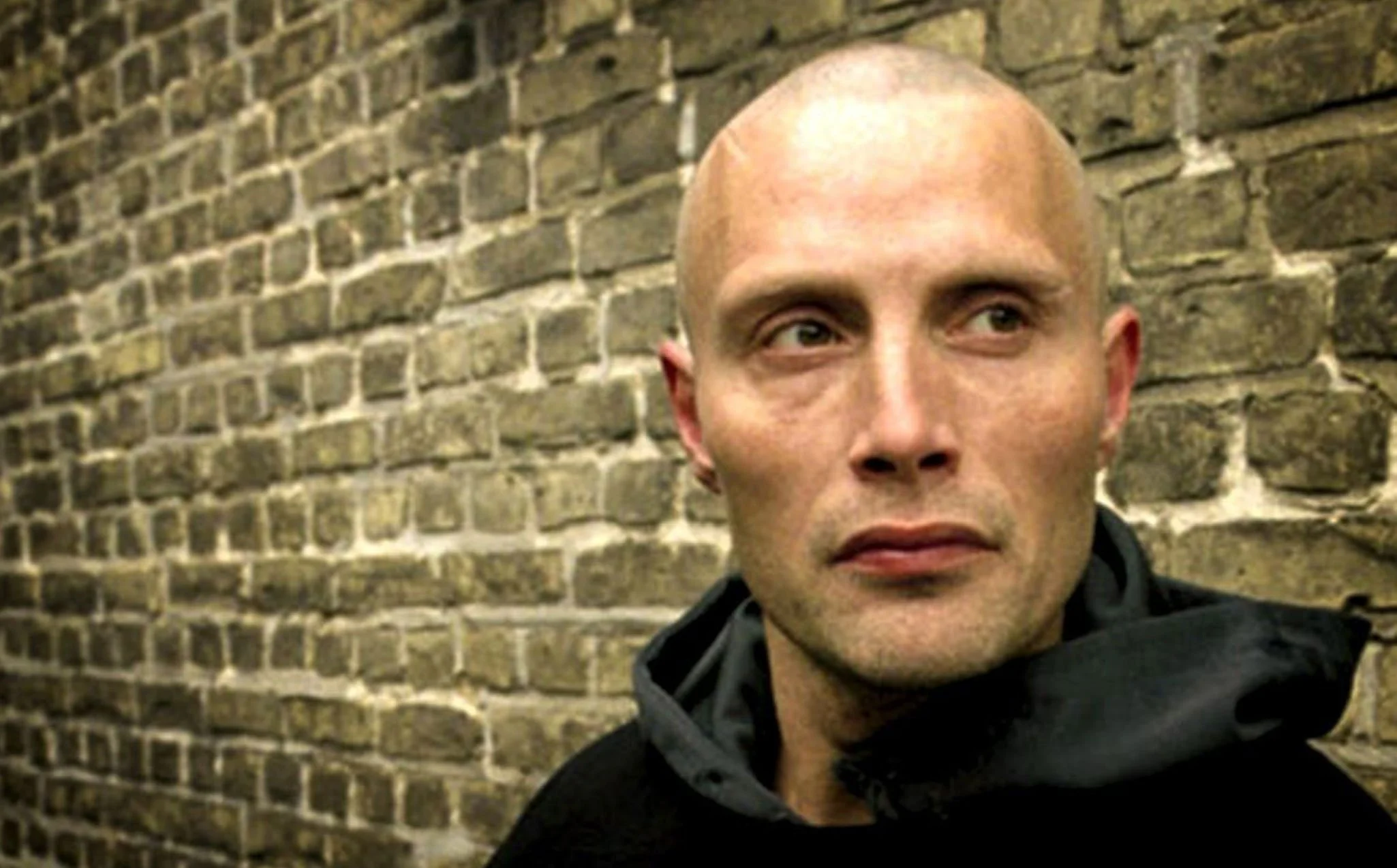
4: Pusher II: With Blood on My Hands (2004)
Music: Peter Peter and Peter Kyed
Refn returned to the Pusher world with the story shifted onto Tonny, and Peter Peter and Peter Kyed returned with him, tightening the same punk-electronic vocabulary into something moodier and more controlled than the first film allowed.
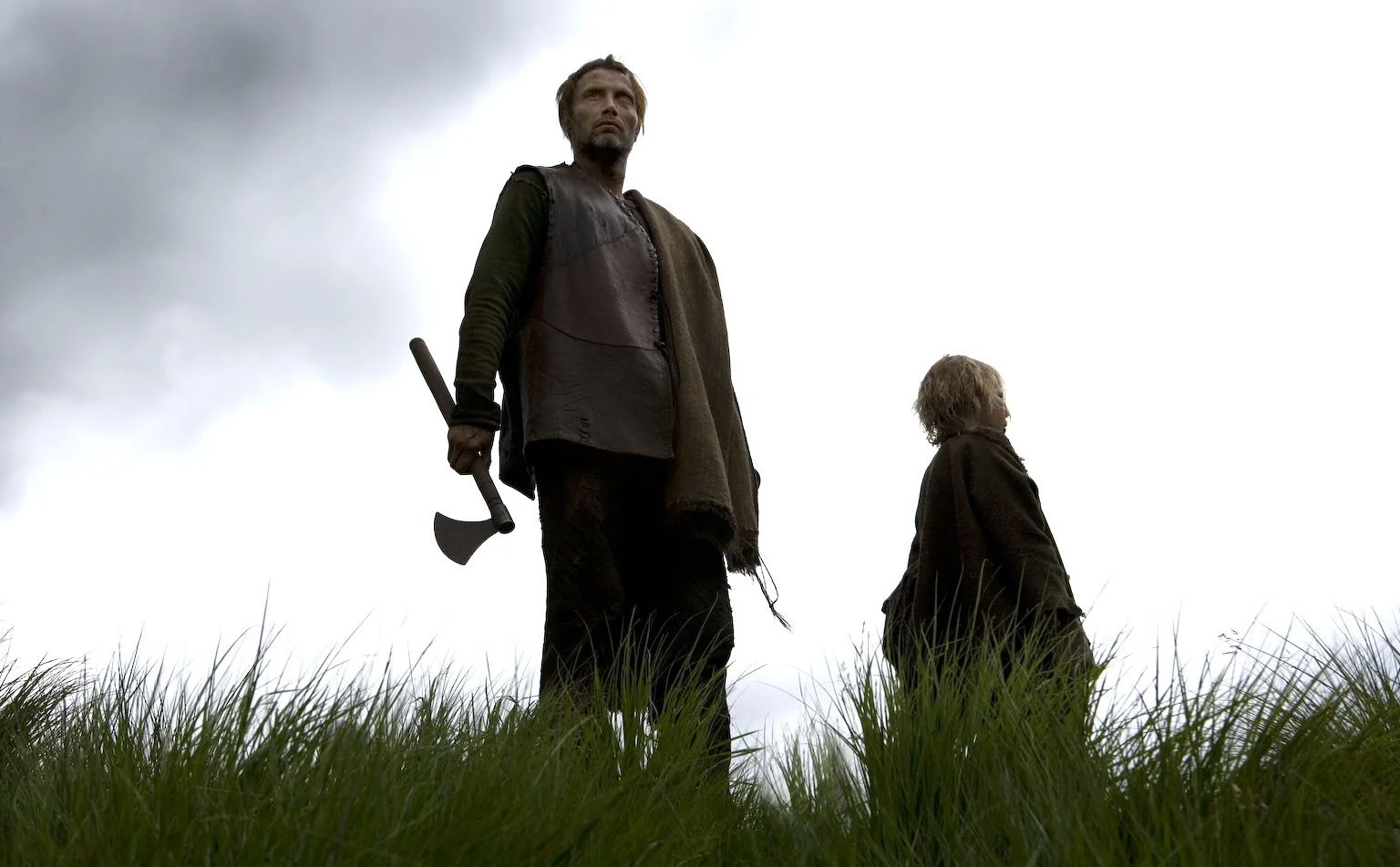
5: Valhalla Rising (2009)
Music: Peter Peter and Peter Kyed
A mute Norse warrior, a boy, and a boatload of Crusaders drifting toward a coastline that doesn't want them. Refn originally wanted Mogwai; he got Peter Peter and Peter Kyed instead, working in a far darker, more ambient register than their punk-rock beginnings, with soundscape passages from Giles Lamb and Douglas MacDougall filling in the gaps. It's the bleakest, most minimal music in Refn's back catalogue, closer to dread than to melody.
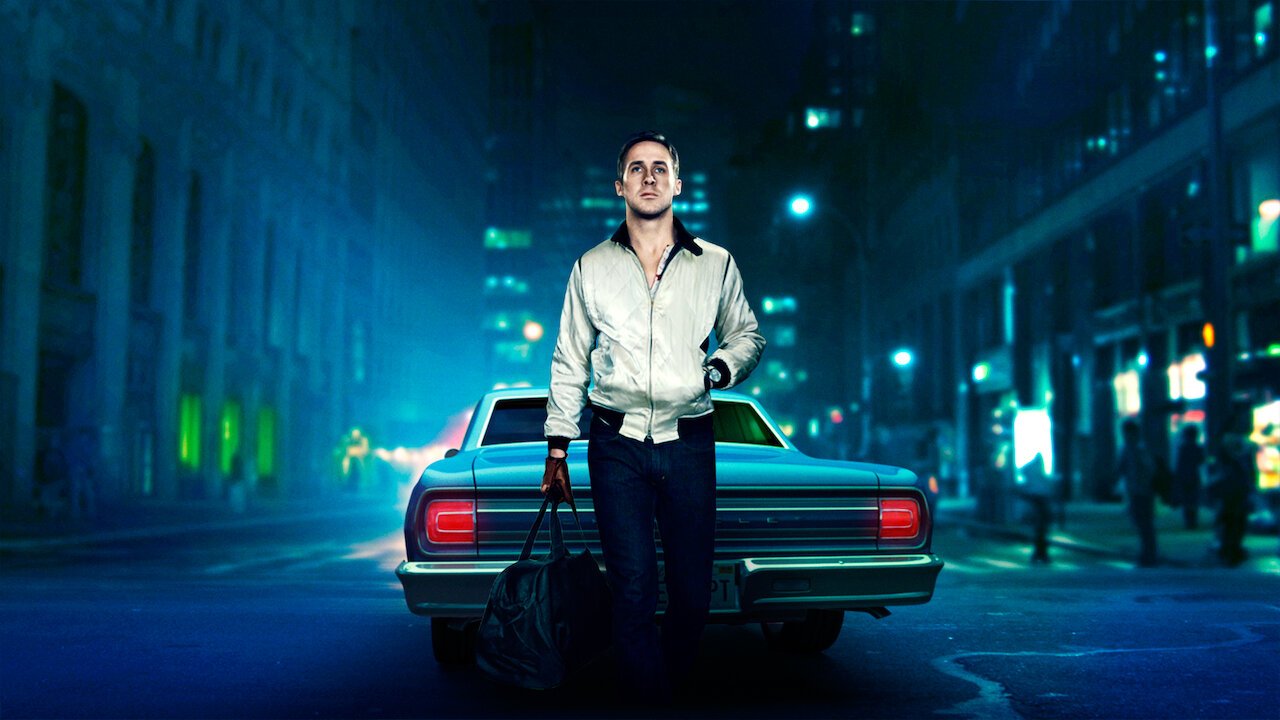
6: Drive (2011)
Music: Cliff Martinez
The film that introduced Refn and Cliff Martinez to an audience well beyond the festival circuit. Martinez, a former Red Hot Chilli Peppers drummer who'd spent the previous two decades as Steven Soderbergh's regular composer, built a synth score that sat naturally alongside Kavinsky and College on the soundtrack. Between the two, Drive became one of the defining sounds of the decade, and the first of what would become a four-film Martinez-Refn partnership.
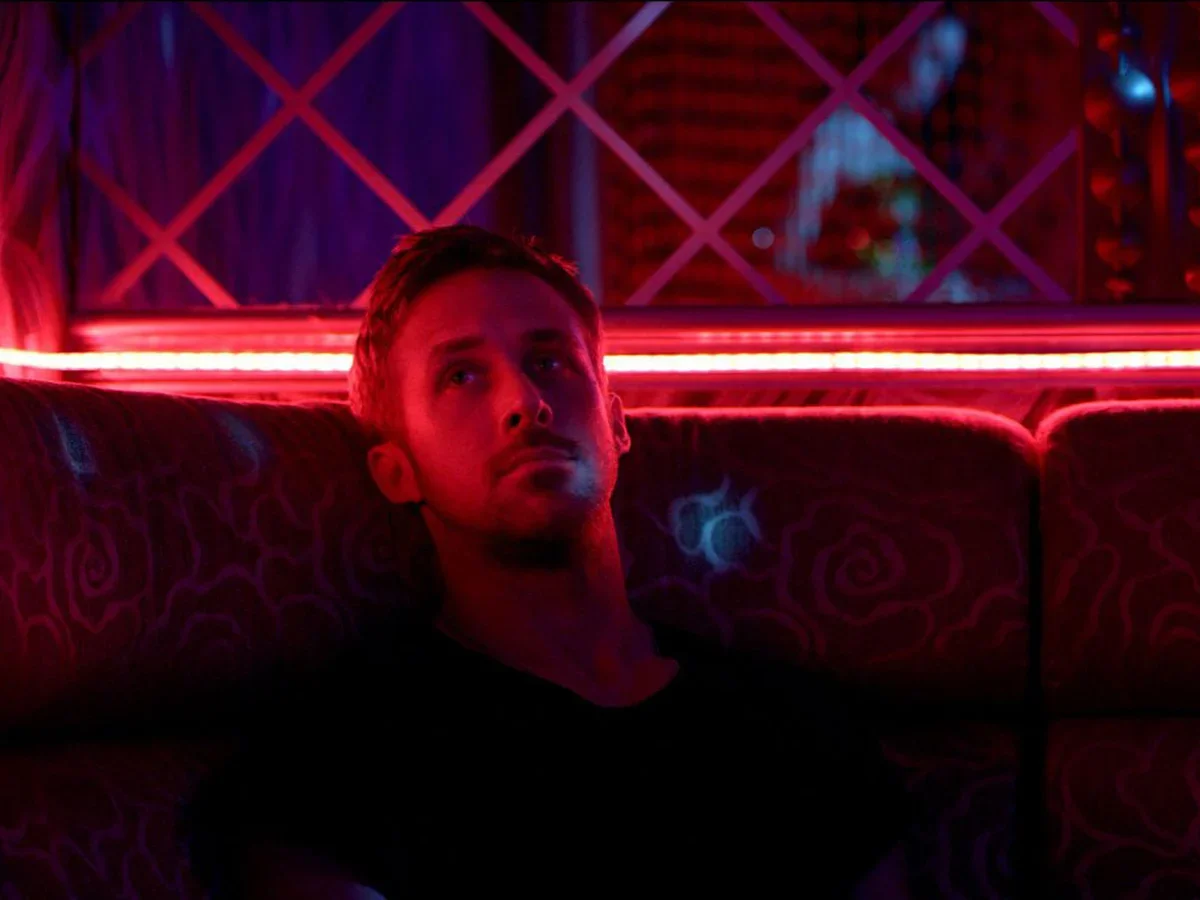
7: Only God Forgives (2013)
Music: Cliff Martinez
Gosling again, inside a stylised, near-wordless Bangkok revenge story. Martinez's second Refn score drops the pop-adjacent hooks of Drive for something slower and closer to ritual, matching a film critics found either mesmerising or punishing depending on their patience for silence.

8: The Neon Demon (2016)
Music: Cliff Martinez
Refn's fashion-world horror got Martinez's most elaborate score for him yet: shimmering synths pushed up against choral voices, glamour and menace sharing the same chord. By this point, the Martinez sound and the Refn sound had become difficult to tell apart.
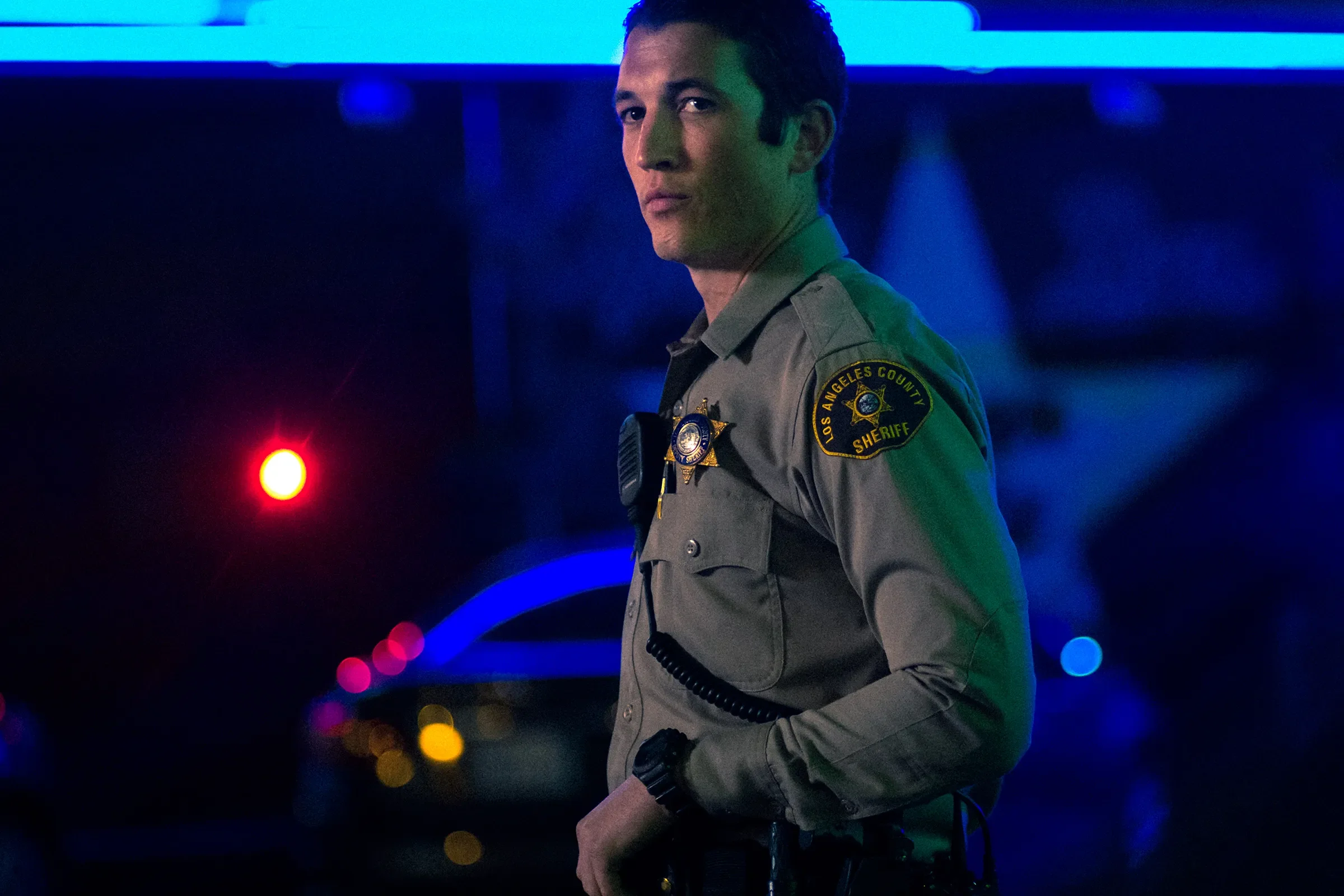
9: Too Old to Die Young (2019)
Music: Cliff Martinez
A thirteen-hour Amazon Prime noir and Martinez's fourth collaboration with Refn, stretching the same synthesised patience across a running time none of their previous work together had attempted.
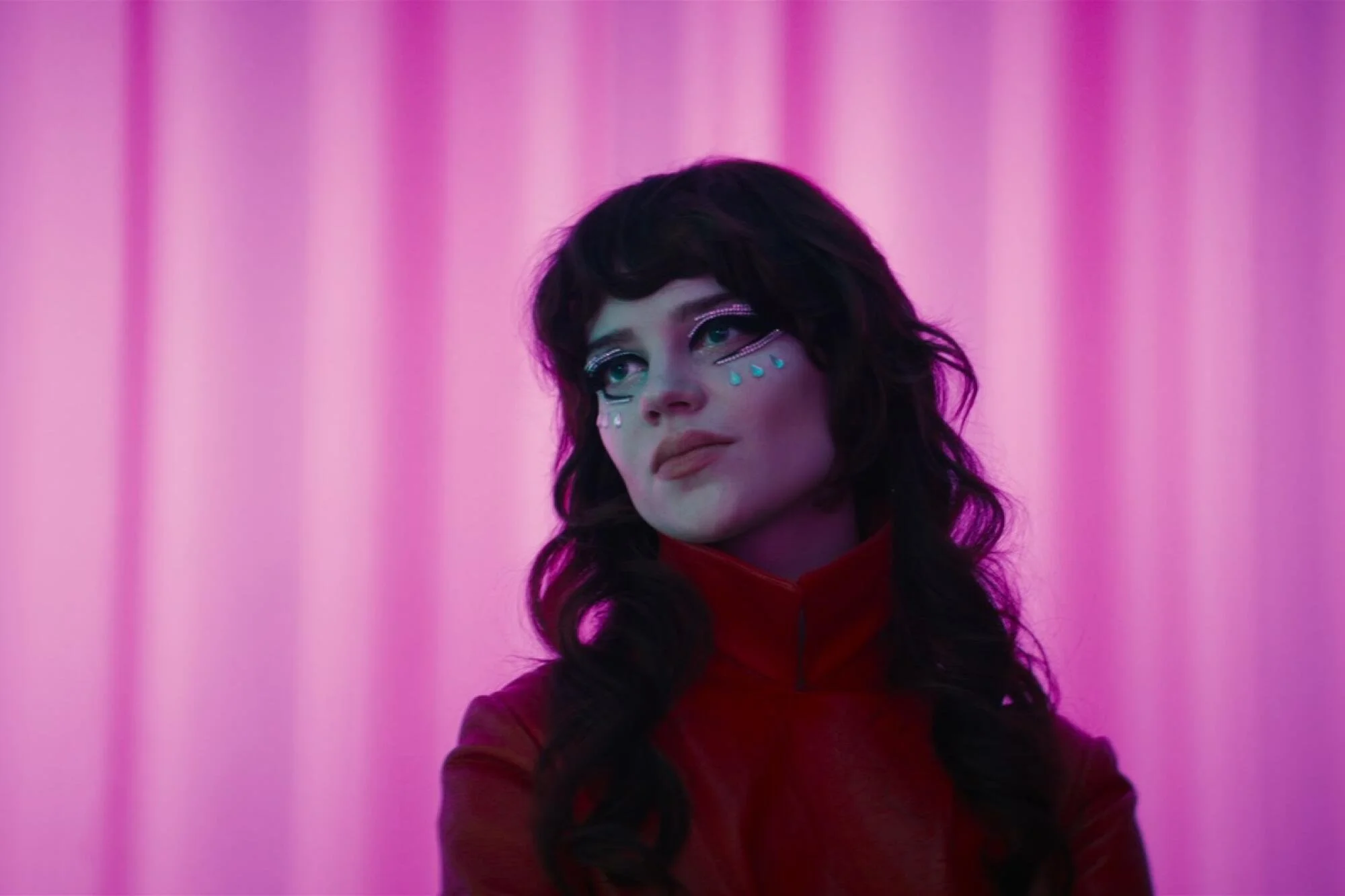
10: Her Private Hell (2026)
Music: Pino Donaggio, with additional music by Julian Winding
Which brings the story to now, and to a name that belongs to none of the eras above. Refn had used Donaggio's old scores as mood music on his own sets for thirty years before finally asking the eighty-four-year-old, semi-retired composer to write him an opera. Julian Winding, by now a returning collaborator rather than a newcomer, supplied five additional tracks.